Galaxy S26 Reviewed: Samsung's AI-First Smartphone Strategy

A new chapter for Galaxy: what launched at Galaxy Unpacked 2026
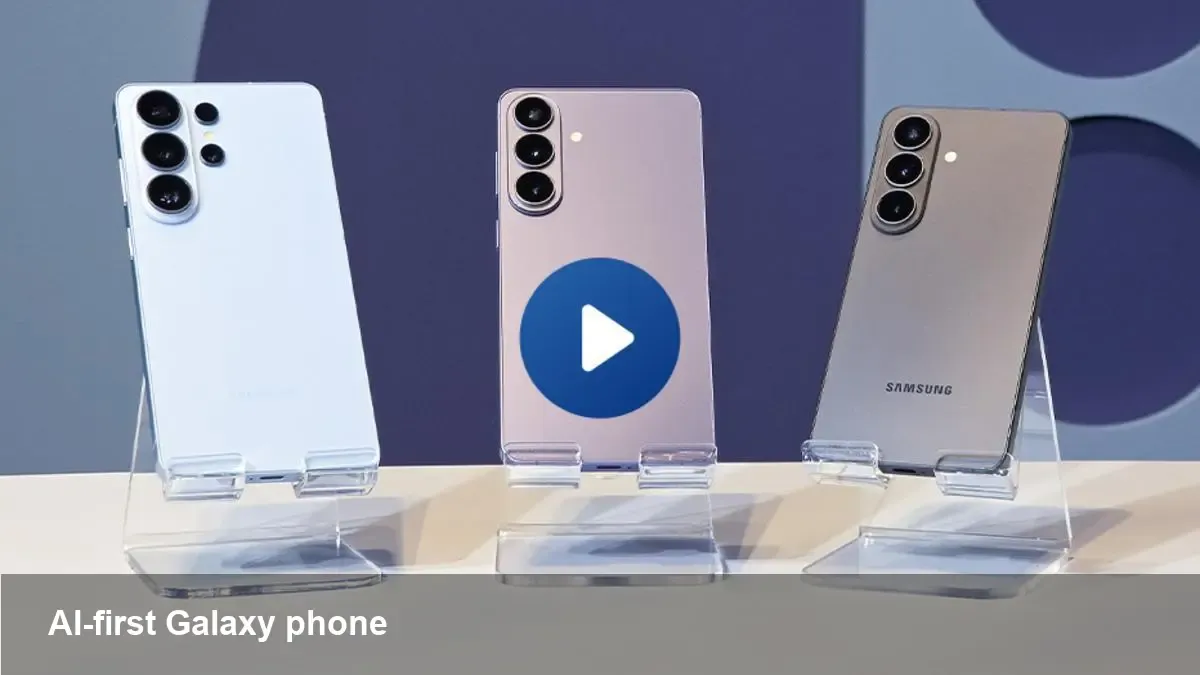
On February 25, 2026 Samsung introduced the Galaxy S26 series at its Galaxy Unpacked event — a lineup the company is positioning as the most AI-centric Galaxy phones yet. Beyond iterative speed and camera upgrades, Samsung emphasized a shift: turning the handset into a platform for ambient, multimodal intelligence rather than merely a faster phone.
That positioning matters for three groups: everyday users who want smarter assistants and camera tools, developers who must adapt apps to on-device AI, and businesses that can use phones as new customer- and employee-facing AI endpoints.
Why this matters: quick background on Samsung and the Galaxy line
Samsung’s Galaxy S family has long been the company’s showcase for hardware innovation — top-tier displays, cameras, and processors. Over the past few years the competition shifted: silicon and camera specs commoditized, and software-first features increasingly differentiate flagships. With the S26 series Samsung is doubling down on that software layer, integrating generative and contextual AI across UI, camera, and productivity tools.
Think of it as Samsung treating the phone less like a single-purpose device and more like a personalized, always-available mini AI hub — one that balances cloud power with on-device responsiveness.
Real-world scenarios: how S26-style AI changes daily workflows
- Traveler: Imagine arriving at a foreign train station. The S26 recognizes the signage, translates in-line, and summarizes transit options into a single swipeable plan — map link, ticket QR, and recommended exit. No app-hopping, fewer setup steps.
- Content creator: A short-form video creator shoots on the S26, then uses built-in editing that suggests cuts, auto-synchronizes captions, and generates alternate thumbnails and copy variants for social platforms — all in a couple of minutes instead of hours.
- Hybrid worker: During a client call the phone captures an audio summary, extracts action items, and drafts a follow-up email with suggested attachments from your cloud storage. The worker spends less time on busywork and more time on strategy.
These examples highlight a recurring theme: AI reduces context switching by combining sensing (camera, mic), local processing, and seamless action suggestions.
Developer implications: new opportunities and new constraints
Smartphones with richer on-device AI create both opportunity and friction for app builders.
Opportunities:
- New interaction models: Apps can adopt multimodal inputs (voice + image + text) and deliver contextual, proactive experiences. A shopping app might let customers snap a picture of a jacket and instantly receive curated purchase links and fit suggestions.
- Edge-first features: Reduced latency and offline capabilities enable functionality in poor connectivity environments — a big plus for global apps and emerging markets.
Constraints:
- Model size and energy budgets: Even powerful mobile SoCs have limits. Developers must optimize models, use progressive fallbacks to cloud inference, and manage thermal impacts.
- Platform evolution: Samsung’s AI features will likely expose SDKs and system-level APIs. Developers must watch API changes, certify integrations across One UI versions, and handle feature flags per device model.
Practical checklist for developers:
- Audit which features benefit most from on-device inference (privacy-sensitive, latency-critical).
- Adopt model quantization and pruning to fit resource budgets.
- Design graceful cloud fallback flows for heavy tasks.
- Monitor battery and thermal telemetry during testing.
Business value: how companies can leverage Galaxy S26 capabilities
For businesses, AI-native flagships are more than a consumer product — they're a channel.
- Retail and hospitality: Staff can use S26 devices as smarter POS/assistants. Imagine a waiter scanning a dish and receiving ingredient lists, allergy cross-checks, and upsell suggestions at the table.
- Field services: Technicians can use the phone’s AI to diagnose machinery via images, overlay step-by-step repair instructions, and log repair summaries automatically.
- Marketing and CX: Brands can create richer personalized campaigns that leverage on-device context (local content, camera input) to deliver relevant offers without aggressively moving data to the cloud.
The result: operational efficiencies, faster onboarding, and new customer experiences that feel less like canned automation and more like context-aware assistance.
Trade-offs and limitations to keep in mind
No device is magic. Consider these practical trade-offs:
- Battery and heat: Intensive on-device inference eats power and can cause thermal throttling. Not every AI feature can run continuously.
- Privacy vs. personalization: Local inference preserves privacy, but building useful models often requires labeled data — companies must balance user trust and product utility.
- Fragmentation: Samsung’s AI features will likely roll out across models and regions at different paces. That creates uneven developer experiences and may slow adoption.
Three implications for the next two years
- AI-driven features will shift monetization models: expect more apps to offer premium tiers for advanced, on-device capabilities that require local compute or model downloads.
- Tooling and standards will mature: SDKs for mobile generative AI, model compression tools, and performance profiling will become essential parts of mobile developer toolchains.
- Privacy-first UX becomes a competitive edge: vendors that can clearly communicate on-device vs. cloud trade-offs and deliver safe defaults will win user trust.
Moving forward: practical advice for stakeholders
- Consumers: Look for demoed, not just promised, AI features. Prioritize phones that balance AI benefits with battery life and real-world speed.
- Developers: Start prototyping with small, well-scoped on-device models and design for graceful fallbacks to cloud inference.
- Businesses: Identify two to three use cases where contextual AI reduces friction (customer service, inspections, content creation) and pilot those on modern flagships.
Samsung’s S26 series signals how quickly smartphones are becoming AI workhorses. The near-term winners will be teams that design features around human context — not just headline capabilities — and who can navigate the resource and privacy trade-offs inherent to mobile AI.