Galaxy Buds4: Smarter Adaptive Sound for Everyday Life

Why the Galaxy Buds4 matter
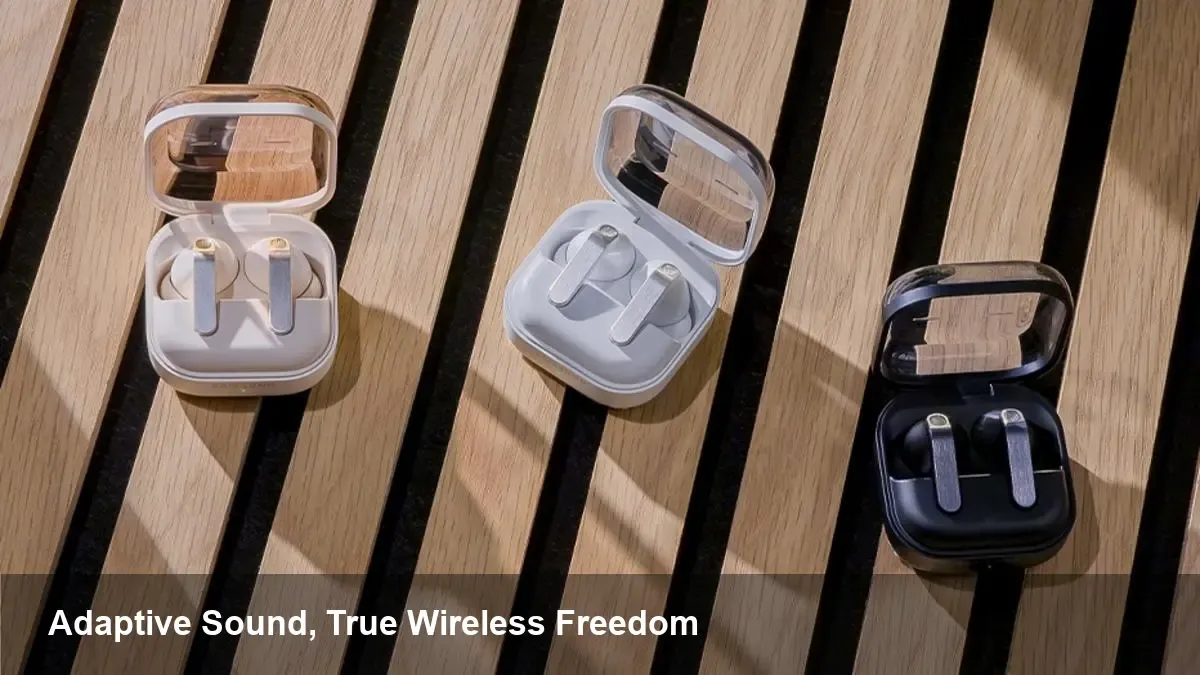
Samsung’s latest true wireless earbuds focus on two practical goals: deliver cleaner, more faithful audio and make listening effortless across changing environments. That combination matters because earbuds aren’t just for music anymore—they’re tools for work calls, commuting, fitness, and spatial audio experiences. The Galaxy Buds4 aim to streamline those moments with automatic controls and refined tuning that preserves the original mix while responding to what’s happening around you.
A short background on Samsung’s audio strategy
Samsung has been steadily building an ecosystem where phones, watches, tablets, and audio products interoperate. The Galaxy Buds line sits at the center of that effort: tight integration with Samsung devices, regular firmware improvements, and a focus on mobile-first features such as on-device tuning and quick-switching across Galaxy products. With the Buds4, Samsung continues that path by putting more intelligence into the earbuds themselves—letting them sense environment and adjust without constant user intervention.
Practical improvements you’ll notice day to day
Here are the kinds of user-facing changes that define the Buds4 experience:
- Adaptive listening: The Buds4 automatically modify noise suppression and ambient audio levels depending on surroundings—so street noise is suppressed on the commute while speech and announcements remain audible when you step into a conversation.
- Cleaner, more faithful playback: Samsung tuned these earbuds to keep the integrity of the original recording. Expect less aggressive coloration and a focus on balanced mids and controlled treble—useful for podcasts and mixed music playlists.
- Smarter call handling: Microphone and processing tweaks aim to make voices clearer on both ends of a call, reducing background artifacts so remote meetings feel more natural.
- Seamless ecosystem behavior: If you use a Galaxy phone and tablet, pairing and switching feel faster and more integrated than general Bluetooth gear. The companion app provides EQ presets and personalized calibration.
All of these are designed to reduce friction. Instead of fumbling with settings, the Buds4 try to do the right thing and hand control back to the user only when necessary.
Real-world scenarios (not just specs)
Here are three common ways the Buds4 can change daily workflows:
- The hybrid worker: On the morning commute, the Buds4 mute urban rumble with active suppression. When your calendar turns to an 8:30 meeting, the earbuds prioritize voice clarity and suppress surrounding chatter. If a colleague taps you on the shoulder, an ambient passthrough mode makes the conversation effortless.
- The creator on the move: Podcast hosts and short-form video producers who review takes on the go will appreciate that the earbuds preserve more of the original voice timbre. That means fewer surprises when importing files to a DAW and less on-the-fly EQ work.
- The fitness enthusiast: Adaptive controls help here too—louder traffic is attenuated when running outdoors, but safety-critical sounds like approaching bicycles can still be heard through transparent listening.
These scenarios show how intelligence in audio processing can replace manual switching and improve attention management throughout the day.
What developers and integrators should know
If you build apps that interact with audio peripherals, the Buds4 offer a few interesting hooks:
- Platform-level features: On Samsung phones, developers can tap into system APIs for audio routing and device state. This enables apps to switch audio profiles automatically (for example, boosting speech clarity for conferencing apps).
- Firmware and OTA: Samsung has a history of updating earbuds via companion apps. For integrators, that means features can improve post-purchase—plan testing cycles that allow firmware changes to affect user experience.
- Opportunity for companion apps: There’s room for apps that take advantage of the Buds’ sensors—fitness apps that use earbud motion data for rep counting, or accessibility tools that personalize ambient audio for hearing-impaired users.
Developers should test on a range of devices. While Samsung tightly integrates with its own hardware, behavior with third-party Android phones and iOS devices can differ—particularly in latency, codec support, and mic routing.
Strengths and trade-offs
No product is perfect. Here’s a pragmatic look at the upsides and trade-offs to weigh before buying:
Pros:
- Hands-off adaptive audio reduces manual adjustments.
- Tuned for faithful sound that suits mixed content (music, spoken word, calls).
- Strong ecosystem experience for Samsung device owners.
Trade-offs:
- Users of non-Samsung phones may miss some advanced integrations.
- Adaptive processing can sometimes make decision trade-offs different people don’t prefer—some listeners prefer fixed levels they control.
- Fit and seal still matter—acoustic performance depends on how well the ear tips isolate ambient noise.
For many buyers, the convenience of automatic adjustments outweighs these compromises, especially if they already use Galaxy hardware.
Business and enterprise value
For companies equipping remote workers or frontline staff, the Buds4 offer practical benefits:
- Improved meeting quality: Better voice clarity and smarter noise handling mean fewer dropped context cues in virtual meetings.
- Lower training overhead: Employees spend less time learning audio settings; the earbuds handle common scenarios automatically.
- Fleet manageability: Samsung’s update path makes it feasible for IT to keep endpoints current with firmware fixes and enhancements.
These are not turnkey enterprise headsets—if you need managed, certified devices with administrative controls, explore vendor programs that support fleet provisioning. But for knowledge workers and managers seeking a good balance of convenience and quality, the Buds4 make a strong case.
Two forward-looking implications
- More intelligence in peripherals will shift expectations. As earbuds get better at sensing context and adapting, users will expect other accessories—speakers, headsets, even displays—to behave more proactively.
- Better audio fidelity combined with automatic controls will accelerate on-device audio experiences: spatial audio for storytelling, low-latency modes for cloud gaming, and personalized assistive modes for accessibility are all easier to scale when the hardware handles the environmental complexity.
Picking the right buyer profile
Choose the Buds4 if you value seamless listening that adapts without fuss and you’re invested in the Galaxy ecosystem. If you prioritize the absolute lowest-latency performance for pro audio work or require centralized enterprise management, evaluate specialized alternatives.
Samsung’s latest earbuds aren’t about one headline spec; they’re about smoothing interactions across music, work, and transit. For many people, that practical intelligence is what elevates everyday audio from background noise to a more useful tool.