Galaxy Buds 4: Samsung’s rethink of wireless earbuds

A fresh direction for Samsung’s earbuds
Samsung’s latest Galaxy Buds 4 lineup represents a noticeable shift in how the company approaches wireless earphones. Beyond incremental audio tuning, Samsung moved the design, feature set, and software integration toward a more utility- and ecosystem-focused product. If you follow earbuds as much for hardware as for the services that power them, the Buds 4 series is worth unpacking.
What’s different: design, audio and active noise cancellation
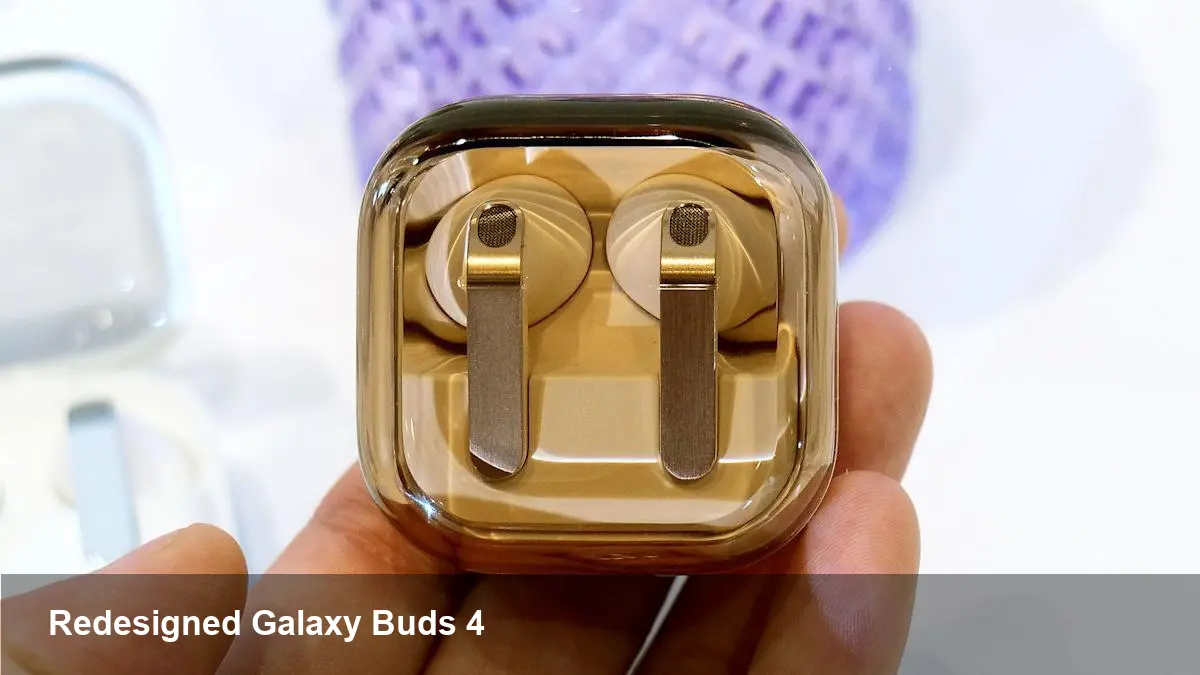
- Design: The new models adopt a more pronounced stem and reshaped housing compared with Samsung’s recent compact designs. That change isn’t just cosmetic — it affects microphone placement, touch controls, and perceived fit. The stems make on-ear gestures more reliable and improve call mic pickup in noisy places.
- Sound tuning: Samsung reworked the tunable components and the EQ defaults to deliver clearer midrange and tighter bass response out of the box. There’s still room in the companion app to tweak EQ manually or rely on adaptive profiles that match your listening patterns.
- ANC and transparency: Active Noise Cancellation has been ramped up with faster adaptive algorithms and improved feed-forward mics. The transparency or ambient mode now blends environmental audio more smoothly, making it easier to hold brief conversations without removing an earbud.
- Battery and case: Battery life remains competitive for daily use, and the case design emphasizes faster top-ups and easier pocketing. Wireless charging and quick-charge support are present, supporting all-day scenarios when used sparingly.
- Software: Samsung leans into ecosystem features — instantaneous pairing with Samsung devices, automatic switching between Galaxy devices, and deeper control inside the Galaxy Wearable app. For non-Samsung phones, the core audio and ANC improvements are still available but some advanced features may be limited.
How this matters in real-world use
- Commuters and frequent travelers: Stronger ANC and an improved ambient mode reduce fatigue on long commutes and make boarding announcements audible without fumbling for an earbud.
- Remote workers and hybrid meetings: The stem-mounted mics plus better wind and background cancellation mean clearer voice pickup for conference calls. If your company uses standardized headsets, these are a versatile option for mobile workers.
- Fitness and daily wear: The new fit is stable for light workouts and walking, and the quick ambient toggle helps with street awareness. If you run outdoors in high wind, expect mixed results — ANC helps, but it’s no replacement for a full headset.
- Media and gaming: The improved midrange benefits podcasts and voice-heavy content. For gaming, Samsung’s low-latency mode helps, but dedicated gaming headsets still provide superior spatial cues and mic performance for competitive play.
Developer and business implications
- Ecosystem hooks matter: Samsung’s emphasis on seamless switching and Galaxy Wearable integration highlights how hardware purchases increasingly tie users into ecosystems. For app developers, this means an opportunity to build features that detect and optimize for Galaxy audio profiles (e.g., auto-apply EQ settings for a music app).
- APIs and accessory control: Developers building audio or accessibility apps should watch Samsung’s SDKs. Improved device telemetry (battery, ANC state, ear detection) lets apps modify behavior — for example, pausing media automatically when ambient mode is detected, or adjusting narration speed when ANC is off.
- Enterprise use cases: Businesses running remote training, field teams, or mobile customer support can standardize on earbuds that offer reliable call quality and device switching. Fleet procurement can leverage the Buds 4’s combined hardware and software features to reduce compatibility headaches across Galaxy phones, tablets, and laptops.
Practical scenarios to try today
- A hybrid worker toggles adaptive ANC during a commute, then lets the earbuds auto-switch to a laptop for a video meeting — no manual pairing required.
- A language-learning app uses the earbuds’ proximity sensor to start a listening exercise when the user puts them on, and dynamically boosts voice frequencies via an app-controlled EQ preset.
- A training team pushes a custom audio profile to a fleet of devices so all employees hear standardized levels during mandatory safety briefings.
Three implications for the near future
- Audio differentiation will be more software than hardware. As ANC and drivers reach similar performance thresholds across brands, the next battleground will be smart software: adaptive EQs, AI-driven noise suppression, and personalized spatial audio.
- Ecosystem lock-in intensifies. Seamless device switching and exclusive features for Galaxy owners show how peripherals are becoming a strategic part of smartphone ecosystems. Expect tighter cross-device services (calls, notifications, media continuity) to follow.
- New developer models for audio accessories. Accessory APIs that expose ANC mode, battery, and sensor data open opportunities for app-based customization, subscription features, and enterprise device management scenarios.
Who should consider upgrading
If you own a Galaxy phone and want smoother device switching, improved call quality, and stronger ANC without moving into over-ear headphone territory, the Buds 4 are a sensible step up. For those on budget earbuds or older Samsung models, the refinements in mic placement and software integration are likely worth the move.
If you prioritize audiophile-grade listening or need a headset for competitive gaming, you may still prefer higher-end over-ear options or specialized gaming headsets. But for everyday users who want a polished blend of hardware and software, Samsung’s latest earbuds are a practical, versatile choice.
Whether you’re a developer looking to integrate audio device states into an app or a buyer weighing ANC and ecosystem continuity, the Galaxy Buds 4 lineup signals Samsung’s intent to push earbuds beyond simple audio players into a more connected, context-aware accessory experience.