Brin Admits He Rushed Google Glass, 'Thought I Was Jobs'

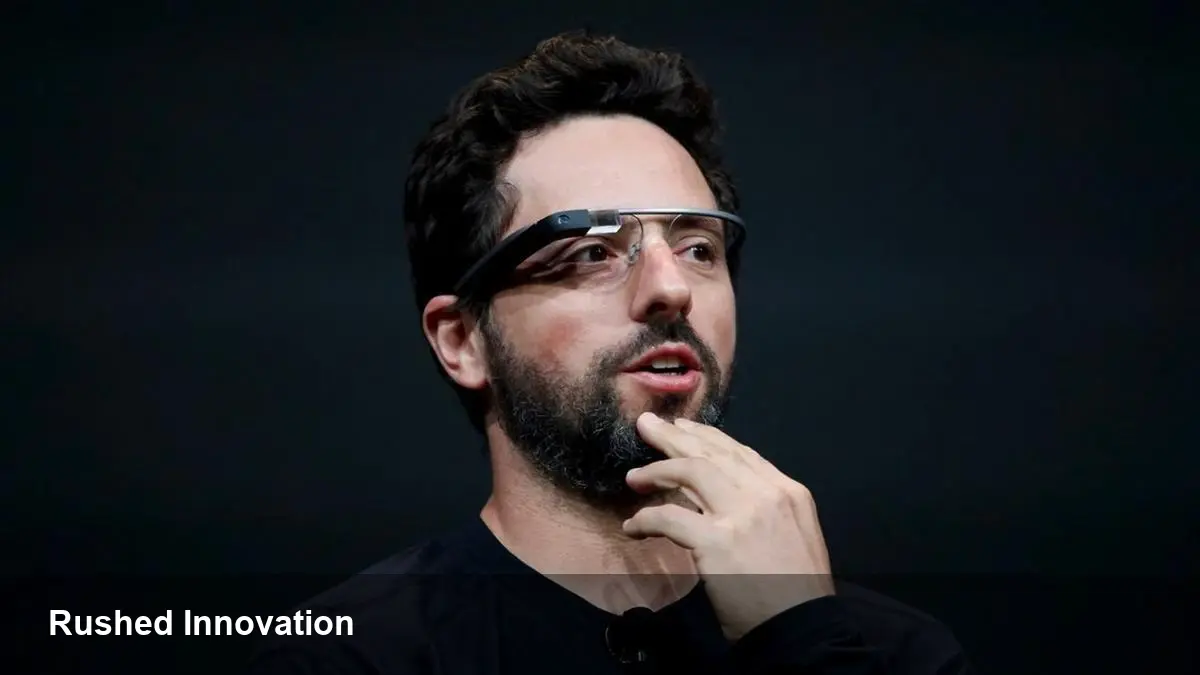
- Sergey Brin says he "jumped the gun" on Google Glass and rushed it to market.
- Glass launched in 2012 to limited users and faced design, privacy and pricing backlash.
- Brin told Stanford students to "fully bake" hardware ideas before big stunts.
- The episode is a cautionary example for wearable and AR product makers.
Why Glass failed, according to Sergey Brin
Speaking at Stanford's engineering centennial, Google and Alphabet co-founder Sergey Brin framed Google Glass as a lesson in timing and execution. He said he tried to commercialize the device "too quickly" and admitted he "thought, 'Oh, I'm the next Steve Jobs.'"
Commercial rush and pricing missteps
Google introduced Glass in 2012 as a limited explorer program. Brin acknowledged the effort to get the product into public hands came before the hardware and cost model were ready for mainstream consumers.
The original Explorer edition carried a $1,500 price tag — roughly $2,120 in today's dollars — a barrier for broad adoption. Brin said the company hadn’t yet achieved the cost-effectiveness and polish needed for everyday use.
Design, privacy and public backlash
Beyond price, Glass suffered from visible design choices and embedded sensors. The glasses housed a 5-megapixel camera that many found intrusive, and public discomfort quickly became a major problem.
Users and venues often balked at the idea of always-on recording, a reaction that spawned negative labels and social prohibitions. Brin’s reflection points to how social acceptance can be as decisive as technical viability.
Context: smart glasses are back — but different
Smart glasses have returned in newer forms. Meta’s Ray-Ban Meta lineup, for example, retails around $799 and positions itself differently on design and features. The market today is more conscious of privacy, aesthetics and incremental feature rollouts.
Lessons for founders and product teams
Brin’s takeaway was blunt: "When you have your cool, new wearable device idea, really fully bake it before you have a cool stunt involving skydiving and airships." The point is practical — founders should validate manufacturing, price and social fit before a wide launch.
Google’s Glass joins products like the Apple Newton as early, expensive experiments that informed later successes. Failures can feed future wins, but only if teams learn from timing, design and market-read mistakes.
For companies building AR eyewear or any consumer hardware, Brin’s admission is a reminder that technical novelty must be matched by user readiness and thoughtful rollout strategy.