Apple’s HomePad: a magnetic wall speaker that doubles as a smart doorbell hub

Why Apple might build a wall-mounted smart speaker
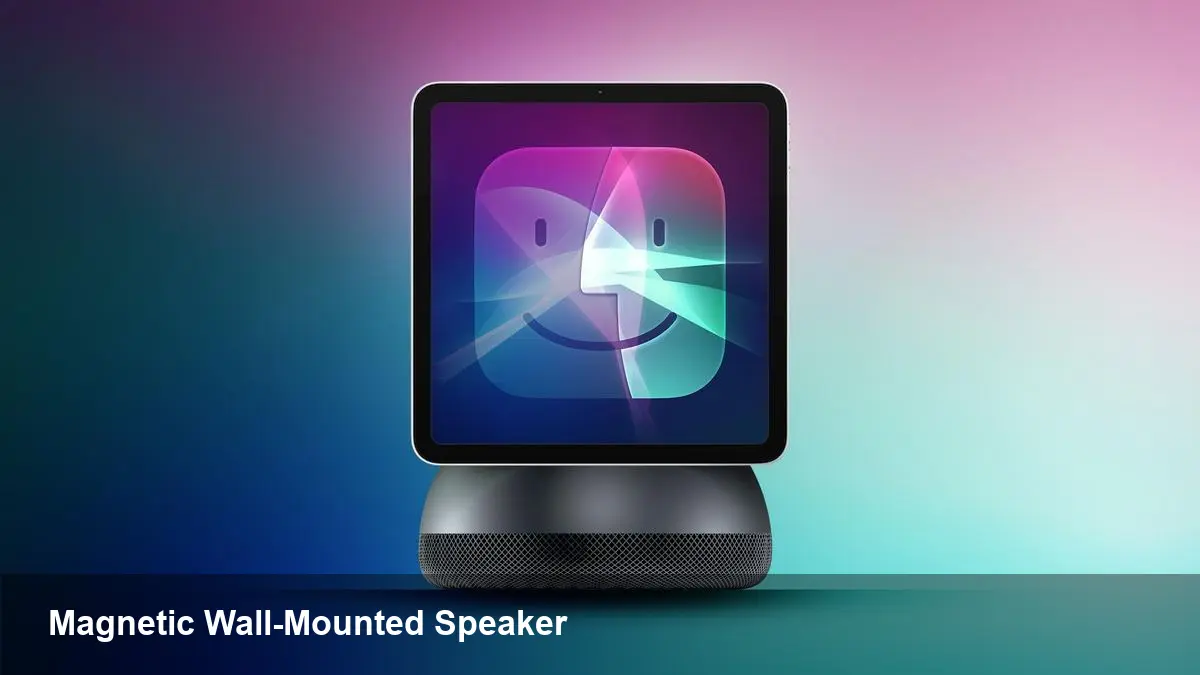
Apple’s smart-home ambitions have been steady but cautious. The original HomePod focused on audio quality and privacy; Siri and HomeKit handled the smarts. The device now whispered about in leaks — called the “HomePad” — looks like the next stage: a smaller, more flexible speaker that snaps to a wall using magnetic hardware and plays a larger role in a household’s front-door experience.
The tipline for this rumor comes from a prototype collector who posts under the name Kosutami, who says they saw a MagSafe-like snap-to-wall mechanism and doorbell integration on a working unit. While prototypes are always subject to change, the described features point to a re-think of how a smart speaker should be positioned in the home and how it should interact with visitors.
What the magnetic snap-to-wall feature changes
A removable, magnetized bracket is straightforward but surprisingly impactful:
- Flexible placement: Instead of a fixed shelf or table, you can place the speaker on a wall at eye level, above a console, or next to a door without drilling multiple mounting points.
- Quick removal: The ability to pull a speaker off its mount and carry it around opens new use cases — temporary outdoor use on a covered patio, moving it between rooms during a party, or grabbing it to take into the bedroom.
- Consistent orientation: Wall mounting keeps microphones and speakers aimed predictably toward the room and, if tied into doorbell functionality, calibrated for an entryway view or chime location.
This is conceptually similar to MagSafe for iPhone accessories, but applied to home audio hardware. It’s a small design move that changes ergonomics and expands scenarios where a speaker is useful.
Doorbell integration: more than just a chime
Integrating with a doorbell turns a speaker into a local hub for visitors. Here are realistic scenarios:
- Audio alerts and two-way talk: When someone presses the doorbell, the HomePad can ring and immediately provide two-way audio without needing to open an app on a phone.
- Automated routines: Pressing the doorbell could trigger lights, announce visitor presence to other HomePods, or display a live feed on an Apple TV.
- Proactive context from Apple Intelligence: The device might summarize who’s at the door, whether the visitor is a known contact, or provide suggested actions (“Send a quick message,” “Unlock the smart lock for package delivery”) using on-device intelligence.
Apple’s emphasis on privacy means any recognition or contextual cues would likely be computed locally or with explicit user consent. That changes how developers and services approach doorbell integrations compared to cloud-first products.
What Apple Intelligence brings to the table
Apple has been pushing “Apple Intelligence” — its branding for on-device AI and contextual features. Pair that with a ringable, wall-mounted speaker and you get:
- Context-aware responses: The HomePad could give different prompts depending on time of day, who’s at the door, or whether a package is likely.
- Smarter automations: Leveraging local models means faster routines and less dependence on server-side processing.
- Privacy-preserving features: Apple’s AI approach tends to favor on-device processing or federated techniques, which eases some consumer privacy concerns compared with cloud-based facial recognition.
For developers this means preparing for new intent flows and richer Siri interactions — but within Apple’s privacy and human-interface constraints.
Developer and integrator implications
If Apple ships a HomePad with such capabilities, there are practical changes developers and smart-home integrators should expect:
- HomeKit and Matter priority: Accessories that want tight integration will need to support HomeKit or Matter for secure, low-latency control. Expect Apple to emphasize official APIs for doorbell events and media playback.
- New Siri intent patterns: Developers should update app intents to handle incoming doorbell events, contextual prompts, and suggested actions delivered by Apple Intelligence.
- UX considerations for wall-mounted devices: UI and voice responses should assume the speaker might live near entryways, so messages and prompts should be concise and audibly optimized.
Installers and home-security companies could also find a market for professionally mounted brackets and networked installations that combine HomePad with cameras, locks and sensors.
Limitations and trade-offs to consider
- Hardware trade-offs: A magnetically mounted unit implies a power connection or battery. If it needs constant AC power for high-quality audio, users will still need accessible outlets at the mount point.
- Privacy vs convenience: Local visitor recognition is useful but sensitive. Apple will likely restrict third-party access to facial or identity data, which could limit how much automation external services can offer.
- Fragmented HomePod lineup: Existing HomePod and mini owners will expect interoperability. Apple will need to clarify how HomePad fits with legacy devices and what features are exclusive.
Business and market impact
A HomePad that combines audio, wall mounting, and doorbell duties would place Apple more directly in competition with Amazon Echo and Google Nest in the entryway and security categories. For businesses:
- Service opportunity: Installers and accessory makers can build mounts, power solutions, and protective covers tailored to the HomePad.
- Platform lock-in: Strong HomeKit/Matter integration could make Apple’s system more attractive to homeowners already in the Apple ecosystem, increasing demand for HomeKit-compatible smart locks and cameras.
- Differentiated selling point: Apple can emphasize privacy and on-device intelligence as a differentiator for customers wary of cloud-first competitors.
Moving forward: what to watch for
- Official confirmation: Leaks like Kosutami’s should be taken as directional; Apple prototypes change frequently. Watch Apple’s events and developer sessions for formal announcements and SDK details.
- SDK and API releases: Developers should look for updated HomeKit APIs, Siri intent expansions, and any Apple Intelligence developer tools that enable contextual actions tied to doorbell events.
- Mounting and power accessories: Third-party accessory makers will likely announce mounts, power extenders, and cases shortly after launch.
Apple’s move toward a magnetic, wall-friendly speaker with integrated doorbell features would be modest on the surface but could shift how people use smart speakers — from stationary audio furniture to flexible, context-aware entryway hardware. If the HomePad ships with solid Apple Intelligence integration and a developer-friendly extension path, it could become a practical middle ground between high-end audio and smart home control.
Would a magnetized speaker near your front door change how you manage visitors and automations? For many homeowners, the idea of a single, better-integrated device at the entryway will be worth watching as prototypes move toward production.