Preparing for GDC San Francisco 2027

Why the San Francisco return matters
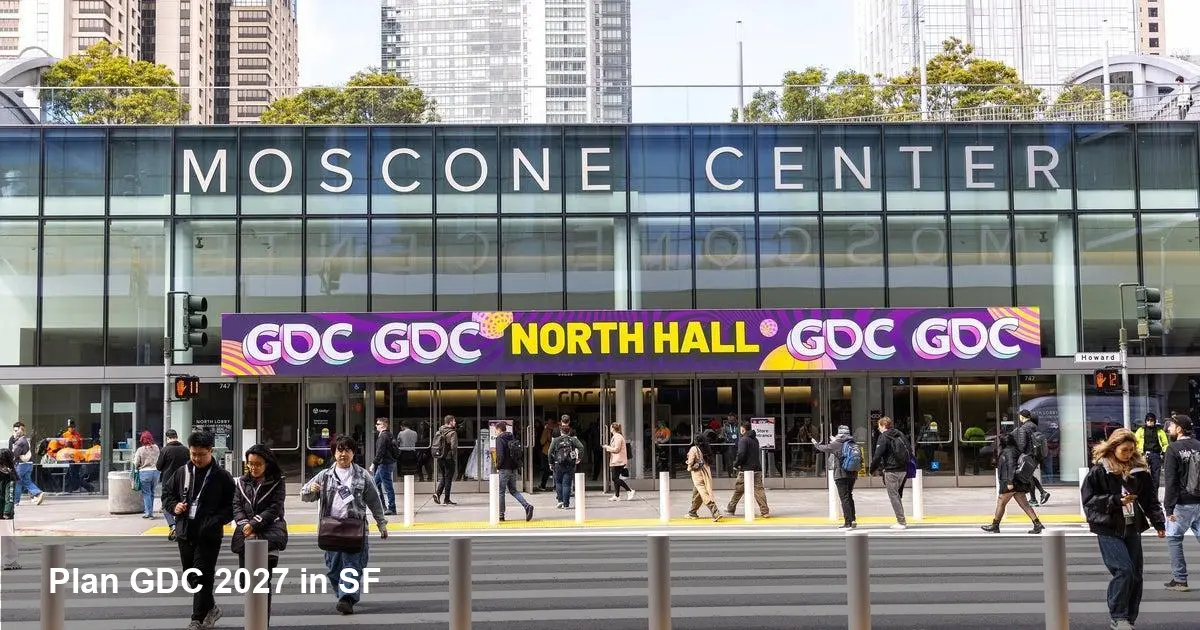
The Game Developers Conference has confirmed it will take place in San Francisco again in 2027. For many in the games industry this is more than a venue change: it’s a signal about who the conference is trying to serve and where the industry’s live networking will be concentrated.
San Francisco brings proximity to VCs, major studios, middleware vendors, and tech talent. But it also brings familiar friction: higher venue and lodging costs, complex logistics for overseas teams, and questions about whether broad, expensive flagship events still deliver the same ROI they once did.
This article breaks down what the move means for developers, indie studios, and larger exhibitors, and gives a practical roadmap you can use to plan attendance, exhibits, and outreach for GDC 2027.
A quick primer on GDC and why location matters
GDC started as a developer-focused conference and has grown into the industry’s primary annual gathering for game creators, tools providers, platform holders, and recruiters. The city that hosts it affects travel times, budgets, press and investor presence, and even the kinds of partnerships that get signed on-site.
San Francisco concentrates buyers and partners who prefer in-person meetings. That’s a plus if you’re fundraising, pitching to publishers, or trying to recruit senior engineers. The tradeoff is the cost and complexity of getting teams and assets to an expensive city.
What to plan now: budget, visas, and logistics (a timeline)
Large events reward early planning. Use this practical timeline to reduce surprises.
- 12+ months out: Strategy and budget
- Decide goals: hiring, press, sales, pitch meetings, or community outreach. Each goal implies different costs and resources.
- Lock a preliminary budget that separates show costs (floor space, booth build) from travel, marketing, and contingency.
- 8–9 months out: Registration and travel
- Reserve registration passes and book flights early to lock prices. San Francisco events often sell out or push rates higher close to the event.
- Non-U.S. staff should start visa planning now—business visas, ESTA checks, and documentation for hardware demos will take time.
- 4–6 months out: Logistics and shipping
- Finalize booth design and vendor contracts. Get quotes for freight, crating, and customs handling if shipping hardware from overseas.
- If your build relies on cloud demos or game downloads, contract reliable on-site connectivity and have fallback local builds.
- 1–2 months out: Final rehearsals
- Dry-run presentations, demos, and booth staffing schedules. Confirm pick-up times with shippers and prepare printed materials and lead-capture systems.
- On-site: Execution and follow-up
- Prioritize meetings over booth time where possible. Collect leads with immediate next-step notes and schedule follow-ups for the week after the show.
Practical trade-offs for different types of attendees
- Indie studios
- Pros: Access to press, publishers, and hiring pools; high visibility in the right meetings.
- Cons: Cost vs. ROI can be prohibitive for small teams. Consider a shared or micro-booth, pitch sessions, or partnering with a local publisher.
- Tip: Focus on a few high-value meetings and use remote showcases for broader demos.
- Mid-sized studios and middleware vendors
- Pros: Ability to land speaking slots and demos; presence in San Francisco can attract enterprise buyers and partners.
- Cons: Booth design and travel logistics grow quickly; shipping costs for hardware demos add up.
- Tip: Use hybrid demos — have a small, robust local build on-site plus high-quality streamed sessions for overflow audiences.
- Publishers and large exhibitors
- Pros: Strong brand presence and recruiting power; easier to absorb higher venue costs.
- Cons: Freshness is harder to buy — attendees crave new experiences. Ensure your presence offers unique value beyond last year.
- Tip: Invest in curated on-floor experiences (hands-on playable demos, rapid-fire developer talks) and schedule private off-site meetings for partners and press.
Onsite tactics that pay off
- Time-block meetings around speaker sessions to maximize expert access.
- Use compact, transport-friendly demo kits and prioritize remote provisioning for large assets.
- Negotiate shared freight or local sourcing for booth elements to cut customs headaches.
- Build a clear follow-up playbook: who emails leads, what collateral is sent, and when first demos are scheduled after the show.
Business implications beyond logistics
The decision to base GDC in San Francisco underscores broader trends:
- Consolidation of industry events around major hubs remains attractive to investors and publishers who want concentrated deal flow.
- Rising costs push smaller players to be smarter about in-person presence, accelerating hybrid and satellite models.
- Host cities influence the conference’s character: urban tech centers skew toward investor-focused conversations; cheaper regional locales can yield a more community-driven vibe.
Three forward-looking implications
1) Hybrid permanence: Expect GDC to keep investing in high-quality virtual access. Developers who pair a tight in-person plan with a scalable remote presence will amplify reach and reduce marginal attendee cost.
2) More curated experiences: To justify high attendance costs, conferences and exhibitors will offer smaller, curated events — invite-only roundtables, targeted workshops, and closed-door demos — where real deals happen.
3) Regional spin-offs gain momentum: As flagship event costs climb, we’ll see more localized, mission-specific offshoots — recruiting fairs, middleware summits, or publisher demo days — that complement the main conference.
A simple checklist to start with this week
- Set concrete goals for GDC 2027 (press, funding, hiring, partnerships).
- Estimate a high/low budget and identify the cutoff for attending in-person vs. virtually.
- Start visa and travel approvals for international staff.
- Line up two measurable KPIs (qualified leads, demo requests, interviews) to evaluate ROI after the event.
Being in San Francisco again will reward teams that treat the event as a concentrated business sprint rather than a broad marketing splash. If you're strategic about who attends, how you demo, and how you follow up, GDC 2027 can be a decisive year for deals, hires, and partnerships.