Apple's March 4 Special Experience: what developers and businesses should watch

Why the March 4 Apple Special Experience matters
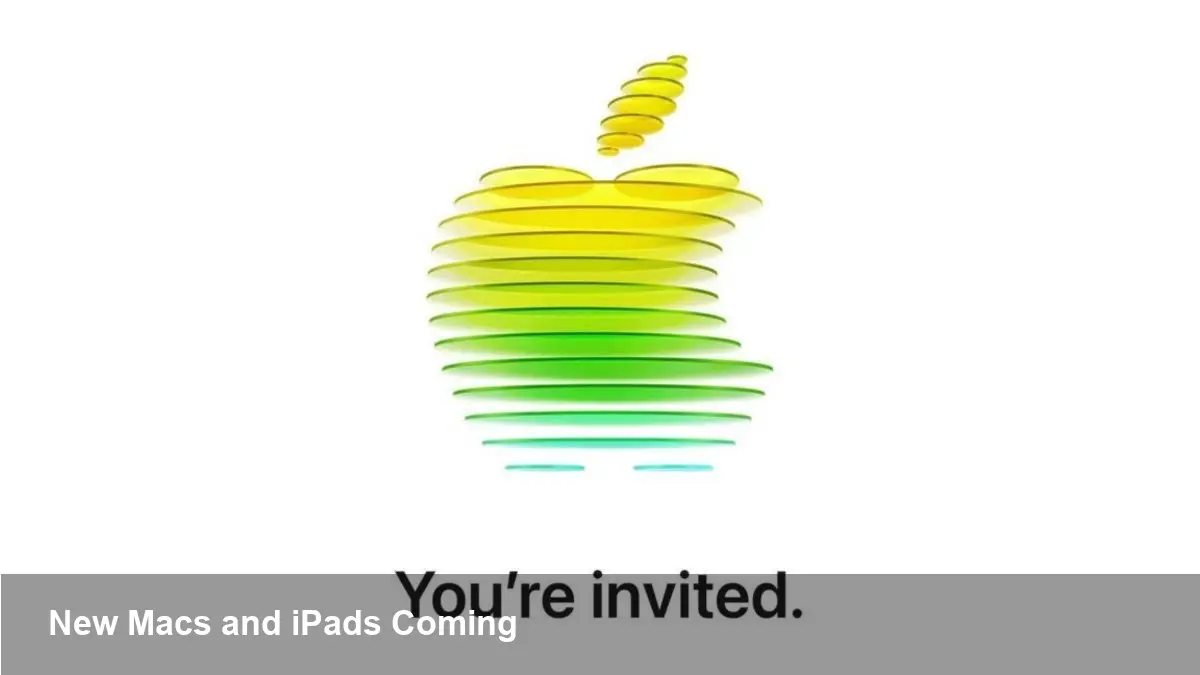
Apple has announced a "Special Experience" on March 4 that will focus on new Macs and new iPads. These spring events are often where Apple updates hardware that matters for developers, creators, IT teams, and product managers. Even if the company doesn’t unveil every rumor, the direction and timing give practical signals about procurement cycles, software compatibility, and platform priorities for the next 12–18 months.
Below I walk through what to expect, practical scenarios for teams and developers, and three implications this event could have beyond the press release.
A short background: Apple’s recent hardware shift
Apple finished a multi-year transition from Intel to its own M-series silicon for Macs, and has steadily iterated on those chips to improve performance and efficiency. Parallel to that, iPad hardware has increasingly borrowed Mac-class features (bigger displays, faster processors, pro-level accessories) while iPadOS keeps evolving toward more desktop-class workflows. That context makes any announcement about new Macs and new iPads relevant not just for consumers, but for anyone building apps, managing fleets, or planning content pipelines.
What to expect (realistically)
Apple rarely surprises the industry with completely new product lines during a short spring showcase; instead, expect evolutionary updates and product re-positioning. Possible items to watch for on March 4:
- New Mac models or refreshed configurations: expect updates to existing MacBooks, iMacs, or Mac mini lines rather than brand new machines. Faster Apple Silicon variants are often the headline in these events.
- iPad lineup refresh: Apple tends to use spring events to update iPad Air or iPad Pro with new chips, cameras, or display tweaks. Accessories (keyboards, Apple Pencil features) could be refreshed too.
- Availability and pricing windows: Apple will likely announce shipping dates and optional configurations. That matters to procurement teams trying to time bulk purchases or education discounts.
I’m deliberately not guessing exact chip names or specs — the important bit for you is the nature of change: incremental performance gains, battery/thermal improvements, and tweaks to I/O or camera systems that change workflows.
Developer checklist: what to prepare right now
If you build apps for macOS or iPadOS, use the next two weeks before March 4 to do the following:
- Audit native compatibility: ensure critical code paths compile natively on Apple Silicon and still perform acceptably under Rosetta (if you support Intel users). If you rely on third-party native libraries, check that their maintainers publish Apple Silicon builds.
- Test Metal and GPU workloads: any change in GPU architecture or drivers can affect rendering, ML inference, and games. Prepare test suites that report fps, thermal throttling, and memory behavior.
- Review touch/pen interactions (iPad): if your app depends on refined input latency or new pen APIs, plan for updates post-announcement. Build a short integration plan so you can ship optimizations quickly.
- CI and device lab updates: ensure your CI system includes Apple Silicon macOS runners and that device labs (whether in-house or cloud) are ready to add new iPad models.
These are practical steps that pay off fast: when new hardware ships, early support translates to higher ratings and fewer support tickets.
Scenarios for businesses and creatives
- IT procurement: If your organization buys in bulk (education, enterprise), use the event timing to decide whether to buy now or wait. Apple’s spring refreshes often mean that inventory of older models becomes discounted, but supply constraints on new silicon can affect lead times.
- Creative studios: New Mac performance or iPad camera/display upgrades can shorten render times or enable on-device ML workflows. Test a few representative projects on loaner hardware to measure real-world gains before changing pipelines.
- Startups building cross-platform apps: Any Mac performance uplift and new iPad features increase the appeal of supporting iPad as a primary demo device. Reassess product demos and customer pitches to leverage the latest hardware capabilities.
Pricing and availability: why timing matters
Apple’s event will likely give concrete purchasing windows. For teams, that informs budgeting cycles and training plans. If a new Mac or iPad ships in two weeks versus two months, it changes whether you can certify devices for a new semester, a product launch, or a marketing campaign.
Three implications to watch beyond the headline
- Continued Apple Silicon momentum accelerates native-first development
- Each new silicon generation makes the economic case stronger for compiling and optimizing natively for Apple’s chips. Expect more libraries, SDKs, and cloud CI services to prioritize Apple Silicon builds.
- The lines between iPad and Mac workflows keep blurring
- Hardware parity (faster chips, better displays) plus software convergence increases the likelihood of iPad-first workflows for many creative apps. That shifts how UI/UX teams think about input models and multitasking.
- Supply-chain and service expectations evolve
- New hardware pushes repair shops, peripheral makers, and enterprise MDM vendors to update their toolchains. If Apple changes ports or repairability, accessory makers will adapt — but it can create short-term friction for managed fleets.
How to watch and what to do immediately after the event
Apple usually streams its events on apple.com and YouTube. If you can’t watch live, plan an hour to review the keynote and 1–2 hours to read hands-on reviews and benchmark reports from trusted outlets. After the announcement:
- Pull the official tech specs and compare them to your minimum requirements.
- Update your internal procurement doc with shipping dates and SKU codes.
- Re-run your critical test cases on review units or emulators and prioritize any fixes that impact performance or compatibility.
Small operational checklist (for quick action)
- Mark March 4 on calendars and block 90 minutes to review announcements.
- If you manage device purchasing, pause major buys until specs and ship dates are confirmed (unless you need stock immediately).
- If you’re a developer, ensure your CI includes Apple Silicon runners and that you can test on the latest beta OS images.
Apple’s "Special Experience" is a scheduling cue: the product calendar shifts around it. Whether you’re evaluating upgrades, planning training, or preparing app updates, use the event to align your roadmap. Expect incremental hardware steps designed to push native performance and refine the Mac–iPad relationship — and be ready to act quickly if the changes matter to your users or customers.