Apple Marks 50 Years with Global Events and Developer Outreach

A moment that spans five decades
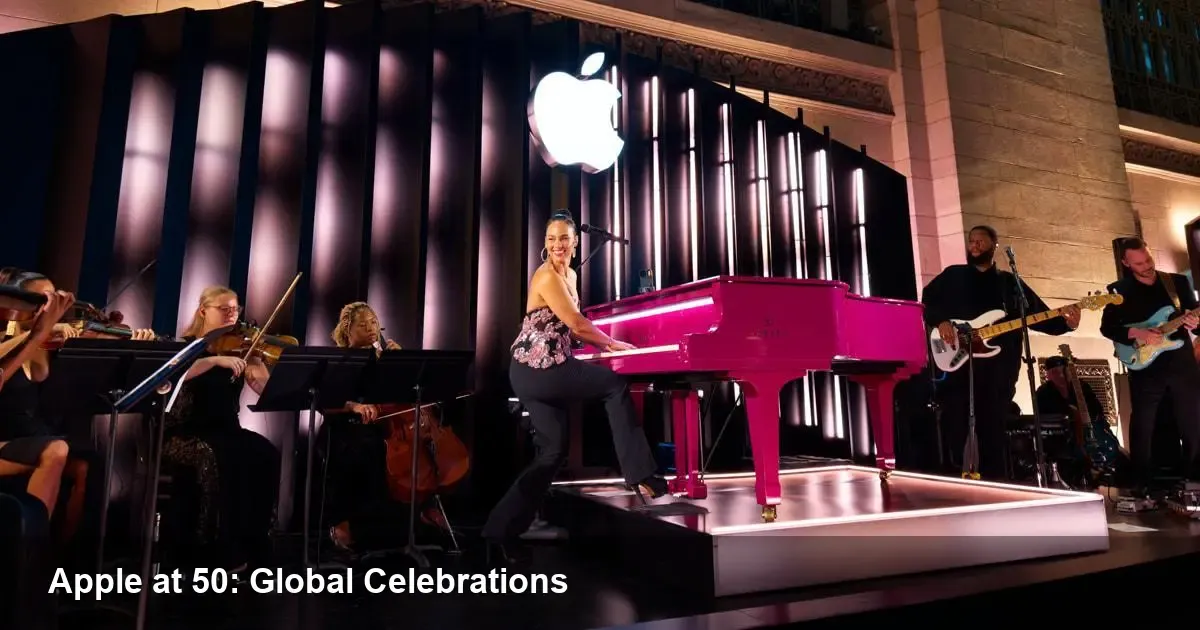
Apple, founded in 1976, is marking a milestone few consumer technology companies reach: a 50th anniversary. The company has begun celebrating around the world, launching events and exhibitions that started in New York and continue throughout the month. These activities are more than ceremonial — they’re a live showcase of brand heritage, community engagement and strategic messaging about where Apple expects to go next.
What the celebrations look like in practice
Expect a mix of public-facing experiences and industry-focused programming. From curated museum-style displays of historic hardware to themed pop-ups, Apple’s anniversary activations typically blend nostalgia with forward-looking features. Concrete elements you might see at these events:
- Museum-style exhibits: Early Macs, original packaging, and design artifacts displayed alongside newer products to tell a story of design continuity.
- Retail pop-ups: Limited-edition merchandise and commemorative packaging available at select stores and temporary kiosks.
- Developer sessions and panels: Short talks, hands-on labs, and networking events for app makers — an opportunity to spotlight frameworks, platform priorities, and success stories.
- Community programming: Workshops for local schools, accessibility demos, and partner showcases that highlight educational and social initiatives.
- AR/VR experiences: Immersive timelines or product demos built for mobile AR or headsets to engage a younger audience and demonstrate the company’s software capabilities.
These events are designed to engage three main audiences: loyal customers, the developer community, and enterprise/partner organizations.
Why this matters to developers and startups
For developers, Apple’s anniversary activities are a chance to reconnect with the platform team, surface work to a broader audience, and learn where Apple’s priorities lie. Practical benefits include:
- Visibility: Showcasing an app at a themed pop-up or developer stage can attract attention from press and consumers.
- Roadmap clues: Panels and product demos often subtly emphasize upcoming platform investments (for example, areas like AI in iOS, new APIs for health or AR, or enhancements in developer tools).
- Networking: In-person events are still where partnerships form; startups can meet potential resellers, integration partners, or investor contacts.
A realistic scenario: a small developer building AR educational tools attends a workshop at one of Apple’s events, connects with a regional Apple engineer, gets feedback on performance optimizations, and later lands a featured placement in a local store pop-up.
What consumers and local businesses can expect
Customers often get experiential perks — limited merch, photo exhibits, or hands-on demos of recent hardware and services. Local businesses and event partners can capitalize on increased foot traffic and press attention. Consider the following tactical opportunities:
- Retail tie-ins: Nearby cafés or galleries offering co-branded menus or exhibits to leverage event crowds.
- Service promotions: Apple Service Providers and authorized resellers can run complementary promotions around trade-in or repair services.
- Tourism and local culture: City-specific exhibits encourage cultural partners (museums, universities) to co-curate programs, which helps position Apple as a civic participant.
Business implications beyond the fanfare
A 50th anniversary is more than nostalgia; it's a strategic communication tool.
- Brand resilience and trust: Public celebrations remind customers and partners of Apple’s longevity and consistent product design language — a confidence signal to investors and enterprise buyers.
- Service and ecosystem emphasis: With hardware refresh cycles slowing industry-wide, Apple’s events double as opportunities to highlight services (App Store, iCloud, Apple Music, Fitness+, etc.) and subscription growth — areas that drive recurring revenue.
- Regulatory and cultural positioning: Large public-facing initiatives let Apple shape narratives about privacy, accessibility and sustainability in front of a global audience. That matters when policy debates and public perception influence business outcomes.
Limitations and potential downsides
No corporate celebration is risk-free. A few practical constraints to consider:
- Scalability: Physical events reach limited audiences compared with digital campaigns; many loyal customers won’t attend in person.
- Perception risk: Overly commercialized or tone-deaf activations can generate negative press, especially if local partners or community stakeholders aren’t engaged thoughtfully.
- Opportunity cost: Resources spent on celebratory programming could have been directed to product development or developer tooling; critics sometimes frame anniversaries as diversionary.
Three implications for the next five years
- Platform-first experiences will dominate: Expect Apple to increasingly tie brand events to software experiences — richer AR timelines, interactive archives, and developer showcases that emphasize platform APIs and subscription services.
- Hardware narratives will shift around services and sustainability: Rather than only celebrating shiny new devices, Apple will frame hardware as gateways to ecosystem services and highlight repairability and carbon goals to align with global scrutiny.
- Developer relations will become more experiential: In-person programming, regional labs and curated pop-ups will complement WWDC and online materials, offering tailored feedback loops to local developer communities.
How to engage if you’re a developer, partner, or local organizer
- Apply early for any developer showcases or partner slots and prepare concise demos that emphasize user outcomes and performance.
- If you’re a local business, propose co-curation ideas to Apple’s community relations teams — museums, schools and civic groups often have the strongest proposals.
- Use anniversary timing for product announcements or promotions; tying a launch to a larger story can amplify reach without requiring a huge marketing budget.
The 50th anniversary is a moment for reflection, but it's also a practical play — a way for Apple to demonstrate continuity while nudging users, developers and partners toward future priorities. Whether you’re attending a New York kickoff or watching a local pop-up, think of the events as both a brand showcase and a live roadmap: past artifacts tell the story, but the programming highlights where the company is investing next.