When a Layoff Becomes a PR Crisis: Epic Games' Lesson

A brief context
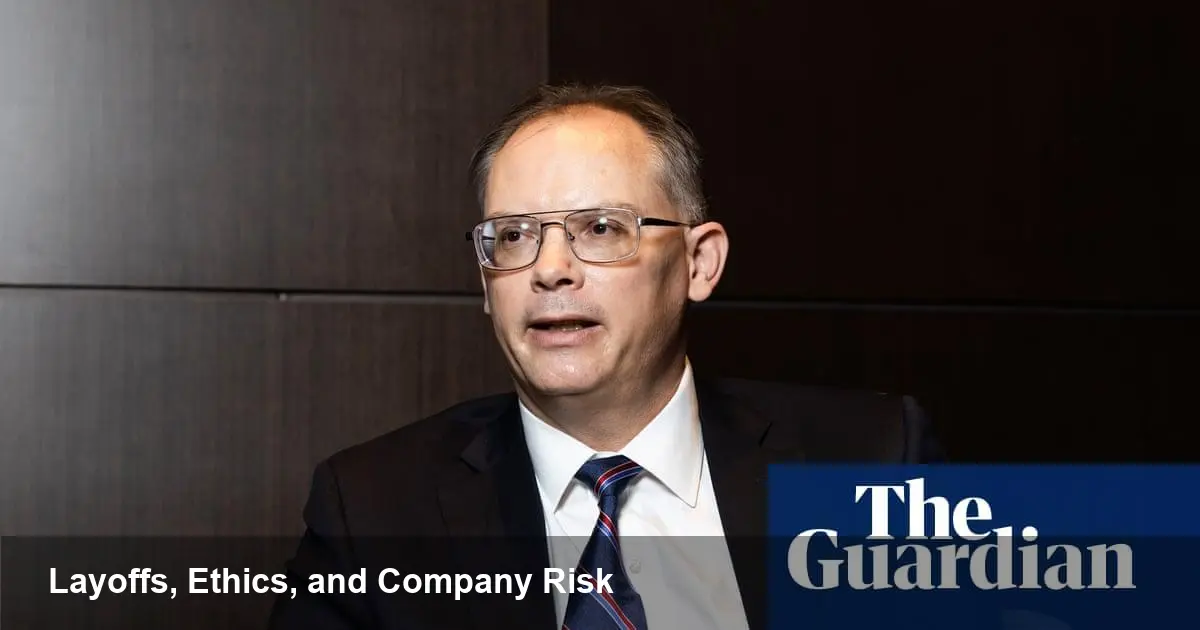
Epic Games, the studio behind Fortnite and one of the largest independent game companies in the world, recently found itself at the center of intense public scrutiny after a high-profile layoff. CEO Tim Sweeney issued a public apology following backlash over the termination of an employee who was reportedly battling terminal brain cancer and whose family said they lost life insurance in the process.
That combination — a mass or individual personnel decision intersecting with a serious medical condition — turned what might have been an HR matter into a reputational crisis. For founders, HR leaders and engineering managers, this episode illuminates practical risks that go beyond headline noise: legal exposure, employee morale, and the long-term brand costs of how you handle people during transitions.
Why this matters to technology companies
Tech firms often treat layoffs as a financial and organizational tool: headcount adjustments, project re-prioritization, or cost cutting. But when affected workers are dealing with serious illnesses, the stakes change dramatically. A few concrete reasons this is especially important for tech companies:
- Visibility: Tech employees are networked, vocal and active on social platforms. Stories spread fast and shape recruiting pipelines.
- Benefits expectations: Modern engineers expect not just cash compensation but robust health and life insurance, and clarity about how those benefits behave during exits.
- Legal and ethical overlay: Terminations of employees with serious medical conditions can trigger legal scrutiny under disability and employment laws, and raise ethical questions about workplace compassion.
What likely went wrong — and how similar situations commonly escalate
From the public reporting, three elements turned the internal decision into a public controversy:
- Timing and sensitivity: Firing or failing to extend benefits for an employee undergoing end-of-life care feels, to many, inhumane — especially if communicated coldly.
- Tangible harm to family: The alleged loss of life insurance created a clear, relatable harm that amplified outrage.
- Leadership visibility: The CEO responded directly, which is appropriate, but that also kept the story in public view and cemented expectations of accountability.
The escalation pattern is familiar: an internal HR policy or severance decision that might have been defensible on paper becomes indefensible in public when human suffering, poor communication, or administrative mistakes are visible.
Practical checklist for HR and founders (what to do differently next time)
If you're running a startup or a larger tech org, treat cases involving serious illness as a separate workflow. Consider this practical checklist:
- Pause and review: Implement a mandatory review step when a layoff affects someone on medical leave or with a documented serious condition.
- Confirm benefits continuity: Before separation, verify whether health, life, and AD&D insurance will continue, and for how long. Communicate explicitly and in writing.
- Lean on legal and compliance: Ensure HR consults employment counsel and benefits vendors to avoid violations of laws like disability protections or ERISA-governed plans.
- Offer compassionate alternatives: Where feasible, extend paid leave, offer voluntary resignation packages, or provide short-term bridge benefits (COBRA payments, extended life coverage, or lump-sum support).
- Train managers on messaging: A human-centered script and a dedicated HR liaison reduce the risk of tone-deaf communications that generate backlash.
- Provide external support: Pay for outplacement, legal referrals, and counseling; make these offers visible to the employee and their family.
These steps cost money and time, but they reduce legal risk and reputational damage — and they align with recruitment and retention goals.
Two short scenarios to illustrate choices
Scenario A — a small startup: A 30-person company faces cash stress and needs to reduce headcount. An engineer is diagnosed with a severe illness. The startup could either apply the standard layoff plan and terminate benefits immediately, or pause and negotiate an exit that keeps benefits for a defined transition period. The latter may mean fewer immediate savings but preserves the company’s network standing and avoids litigation risks.
Scenario B — a public-facing studio: A large game studio plans a restructuring. If a high-profile employee or one with public connections is impacted, leadership should expect public scrutiny. Proactive outreach, personalized support and a transparent explanation of benefits handling will often contain the story before it becomes a public controversy.
What this means for developers and employees
For individual contributors and managers, this incident is a reminder to:
- Know your benefits and the terms that govern continuation after termination.
- Keep documented records of medical leave and communications.
- Ask HR explicitly about life insurance and AD&D coverage portability and what happens if a termination occurs while claims are pending.
Knowledge reduces vulnerability; advocacy and documentation can shape outcomes.
Broader implications and what may change next
- Benefits design will be more scrutinized: Expect companies — especially in competitive talent markets — to design separation workflows that include bridge health coverage and clearer life insurance portability to avoid bad press.
- Reputation becomes a measurable liability: Recruiters and employers will factor in not just product and stock performance but “people handling” incidents when hiring and acquisition decisions are made.
- Policy and compliance focus will rise: Boards and legal teams will likely demand stricter review processes for terminations involving employees with disabilities or serious health conditions.
In short, the economics of a short-term headcount decision must be balanced against long-term brand and legal costs.
Practical recommendation
If you’re a founder or HR leader: build a dedicated “sensitive case” workflow now. It should require a cross-functional sign-off (HR, legal, CEO-level for small companies), a benefits checklist, and an offer of transitional support. For engineers and employees: get familiar with your insurance plan terms and ask HR for written confirmation of benefit handling during any separation.
Human-centric policies aren’t just moral — for tech companies, they’re strategic. How you treat people in their worst moments reverberates much longer than a single quarter’s cost savings.