Why Tech Launches No Longer Feel Magical — Here's Why

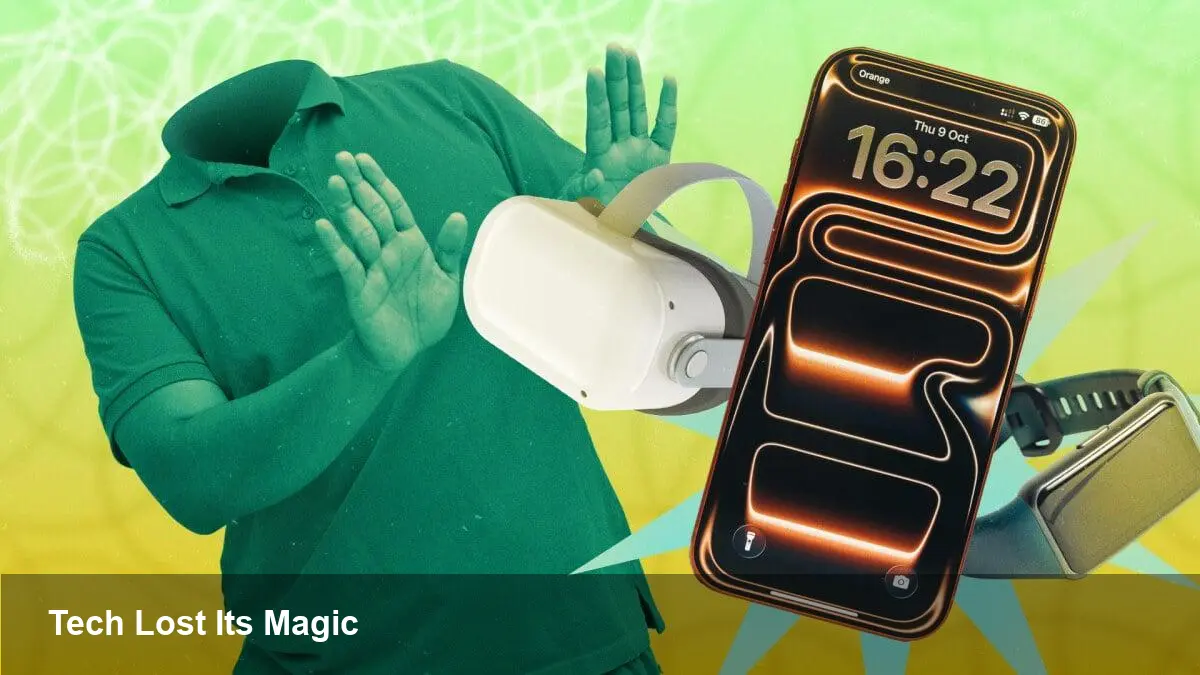
- Key Takeaways:
- The iPhone’s 2007 debut crystallized mass tech enthusiasm by solving many everyday annoyances at once.
- Incremental updates, subscription bloat and device "kipple" have reduced marginal utility and consumer excitement.
- AI hype without clear consumer value is shifting curiosity toward concern: "How will this hurt me?"
The golden moment that changed expectations
The smartphone reveal by Steve Jobs in 2007 felt like a genuine leap. It condensed multiple devices into one and solved small, irritating problems people actually had. That single launch set a bar: products should not just be new, they should simplify everyday life in obvious ways.
From paradigm shifts to marginal gains
Today, Heather Sliwinski, founder of Changemaker Communications, says we live in "an era of incremental updates, not industry-defining breakthroughs." The leap from feature to feature now offers diminishing marginal utility. Upgrades like marginally better cameras or new materials don’t create the same emotional or practical payoff as earlier, transformative shifts.
The hidden cost of modern devices
Buying a gadget now often means onboarding apps, accounts and subscriptions. As Sliwinski puts it, "Consumers are exhausted by the endless management that comes with each new device." That coordination overhead and mounting digital clutter—what Philip K. Dick called "kipple"—turns promising tools into another layer of life to manage.
Manufactured excitement and the rise of enshittification
Companies increasingly market low-importance features as breakthroughs. Kaveh Vahdat argues corporations "manufacture excitement around relatively low-importance features," which trains consumers to be skeptical. When features feel engineered for hype rather than utility, audiences stop responding the way they once did.
AI: from curiosity to caution
AI is omnipresent across products, but Sliwinski notes, "There’s a lot of buzz around AI but we’re missing the ‘so what?’" Consumers are less likely to celebrate AI that doesn’t clearly improve daily life. Worse, people now ask about harms: job displacement, manipulative design, or safety risks. That shift from excitement to dread changes how launches land.
What comes next
Another major step-change—one that bundles utility, simplicity and trust—could restore excitement. Until then, launches will struggle against fatigue, bloat and valid consumer skepticism. The future of memorable tech will depend less on marketing and more on delivering clear, hassle-free value.