What David Greene's Lawsuit Means for Voice Cloning

A quick primer: the dispute and why it matters
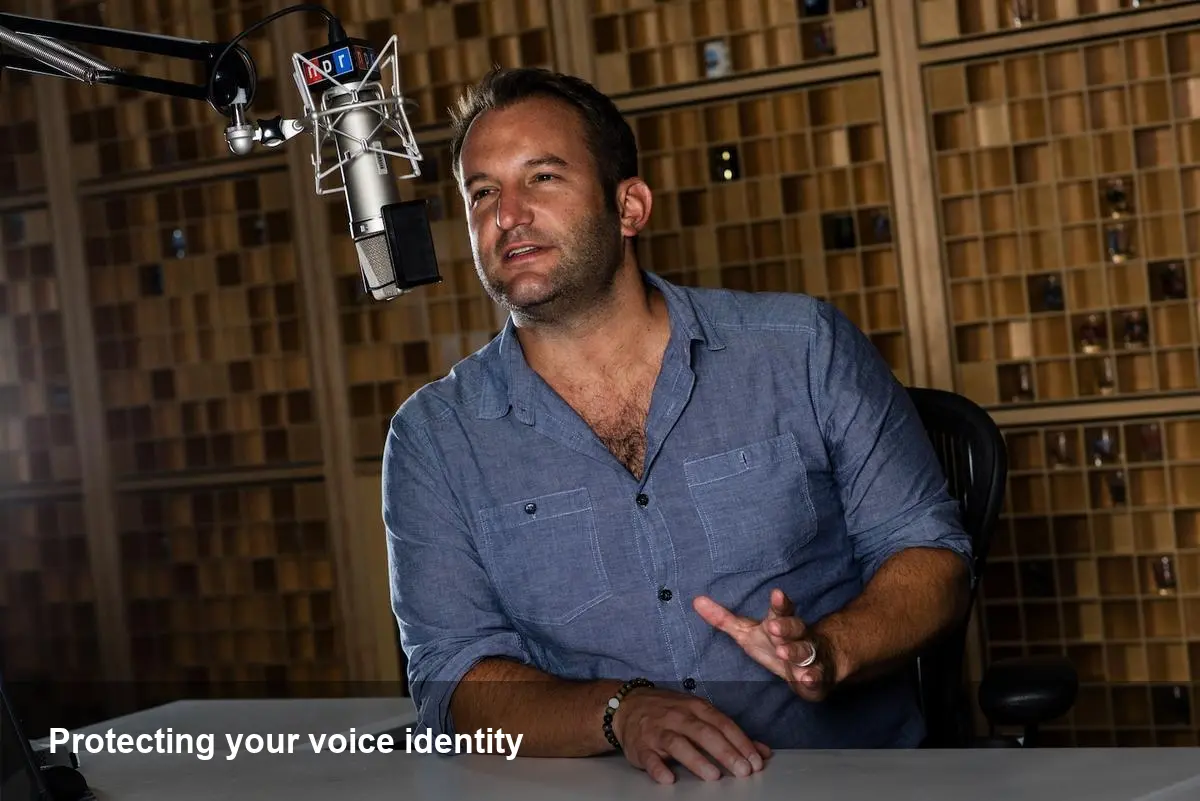
NPR journalist David Greene recently announced legal action after hearing an AI-generated voice that he says sounded unmistakably like his. The case has caught attention not because it’s the first time a person has alleged unauthorized voice cloning, but because it puts a spotlight on a collision between rapid AI advances and decades of personal, professional reputation building.
At the core of the argument is simple: people and professionals increasingly treat their voice as an asset — a recognizable brand element for hosts, podcasters, actors, and customer service teams. Advances in neural text-to-speech (TTS) and voice synthesis make convincing imitations cheap and fast, and that raises legal, ethical, and operational questions for media companies, developers, and businesses that rely on audio identity.
How today's voice cloning works (high level)
Modern voice synthesis uses machine learning to map acoustic features and prosody from sample recordings to a generative model. With enough high-quality audio, models can reproduce timbre, pacing, and idiosyncratic phonetic patterns. Tools range from fine-grained, studio-grade cloning requiring permissions and clean recordings to consumer-facing apps that can produce believable short clips from a few minutes of speech.
This technical progress is what makes cases like Greene’s consequential: the capability exists at scale, and platforms that host or provide these models now face downstream liability, user trust risks, and product decisions about consent and provenance.
Three practical scenarios that worry creators and businesses
- Podcaster or radio host: An AI-generated ad or parody using a host’s voice appears on another platform. Even if factually harmless, the clip can damage credibility and listener trust.
- Corporate voice in customer service: A bank’s branded voice is cloned and used in phishing calls, increasing fraud risk and regulatory exposure.
- Voice talent monetization: A freelance voice actor finds their voice used without compensation in an AI-driven audiobook or game, undermining licensing markets.
Each scenario shows how voice cloning can ripple into reputation harm, lost revenue, and liability for platforms that host or distribute synthetic audio.
What creators and organizations should do now
- Treat voice as intellectual property: If you’re a host, actor, or company with a recognizable voice, think of it like a trademark. Add clauses to contracts that specify permitted uses, durations, and compensation for AI training or replication.
- Create explicit consent workflows: If you offer voice samples for services, use clear, auditable consent records. Time-stamped agreements, recorded opt-ins, and narrow licensing scopes help if disputes arise.
- Use provenance and watermarking: Employ audio watermarking or metadata tags to mark synthetic outputs. This helps detection and establishes a chain of custody for disputed clips.
- Monitor and respond quickly: Set up alerts for unauthorized use of your audio assets across platforms and have take-down and legal escalation workflows ready.
Guidance for developers and platform operators
- Don’t use scraped or ambiguous training data without permission: Relying on public recordings might seem convenient, but it increases legal risk. Prefer licensed datasets or opt-in contributors.
- Offer user-level controls: Let creators restrict which parts of their audio can be used for model training and give them tools to revoke consent when technically feasible.
- Implement detection APIs: Provide services to identify cloned audio and support verification APIs for publishers and law enforcement.
- Charge for high-fidelity cloning: Creating a pricing and access model that requires verification for studio-quality clones reduces casual misuse and creates a commercial path for rightful owners to license their voices.
Legal angles to watch
This dispute will likely touch on the right-of-publicity (the right to control commercial uses of your likeness), contract law about data use and consent, and perhaps unfair competition or trademark claims if a voice is used to imply endorsement. The law in the U.S. and elsewhere is still catching up — precedents vary by state and jurisdiction — which makes outcomes unpredictable.
Regulators are already wrestling with synthetic media issues. Expect more litigation, legislation, and platform policy updates that aim to balance innovation with personal rights and consumer protection.
Business impact and reputational risk
For publishers, media outlets, and platforms, the stakes are both financial and reputational. A single convincing fake clip can erode audience trust faster than any content moderation policy can respond. Advertisers will scrutinize whether their campaigns can be spoofed; talent unions and creatives will push for stronger protections and revenue shares from any adoptions of cloned voices.
Conversely, there’s a legitimate commercial opportunity: licensed voice marketplaces, voice-as-a-service offerings for brands, and tools to create safe, auditable synthetic voices for accessibility or localization. Companies that invest in transparent licensing and strong provenance systems will likely win trust.
Three forward-looking implications
1) Voice will become a registered asset: Expect services and legal frameworks that let creators register voice identity, similar to trademark registries, to simplify enforcement and licensing.
2) A technical arms race is coming: As cloning improves, so will detection and watermarking techniques. We’ll see more sophisticated provenance standards and mandatory metadata for synthetic media.
3) New business models for voice licensing: Platforms may introduce revenue-sharing or subscription models that let creators monetize authorized clones, turning a liability into an asset.
What to watch next
Monitor how courts treat cases like Greene’s and how major platforms update policies on synthetic speech. For creators and technical teams, now is the time to audit voice assets, update contracts, and build technical controls for consent and provenance. For enterprises and startups, consider that responsible design — explicit permission flows, watermarking, and rapid takedown processes — is not just compliance work but a market differentiator.
The debate over who owns a voice and how it can be used isn’t just academic. It affects everyday trust in media, the livelihood of audio professionals, and how businesses deploy synthetic voices at scale. How companies and courts resolve these issues will shape the next wave of audio AI products.