Siri Opens to Rival AI Assistants in iOS 27

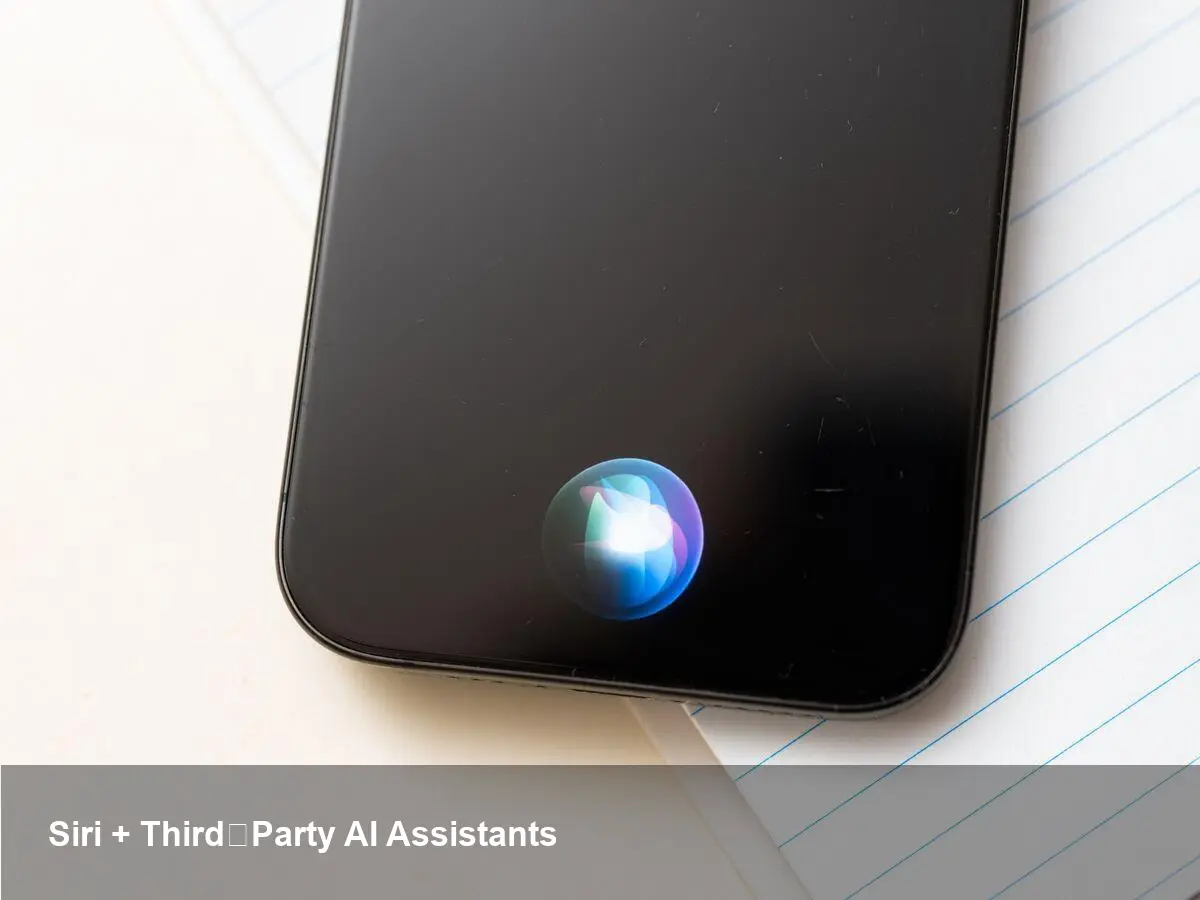
Apple shifts Siri from walled garden to platform
Apple is preparing to change how Siri works in iOS 27 by allowing third‑party AI assistants to interoperate with the system assistant. For iPhone users this could mean a choice of AI backends driving voice responses and actions; for developers and companies it creates both new distribution paths and new integration responsibilities.
This is a strategic move: Apple keeps Siri’s front‑end (wake words, voice capture, device integration) and opens hooks so different models and assistants can provide the “brains” behind queries. The result is a potential ecosystem where Amazon, OpenAI, Google, and enterprise assistants can respond through Siri’s interface.
Why this change matters now
Smartphone assistants are no longer novelty features — they’re gateways for search, transactions, productivity and device control. By opening Siri, Apple is acknowledging that the value of a phone increasingly comes from the quality of the AI experience, not just hardware or UI polish.
For users: it promises better answers, choice, and potentially richer multimodal responses when a third‑party model excels in a particular domain. For developers and businesses: it becomes possible to bring specialized assistants (finance, healthcare, legal) directly into the iPhone’s primary voice channel.
How it could work in practical terms
Apple will likely expose a set of APIs and extension points inside iOS 27. Here’s a plausible flow:
- A user speaks to Siri as usual. Siri’s front‑end handles the wake word, noise suppression, and transcription.
- The iOS intent router decides whether to handle the request locally, send to Apple’s cloud, or forward to a registered third‑party assistant based on user settings and intent metadata.
- The third‑party assistant returns a structured response or action directive; Siri presents the output and executes device commands where permitted.
Key controls will be necessary: user opt‑in, visibility when a third party is answering, and permissioned access to device capabilities (calendar, photos, home devices). Expect a granular permission model similar to existing app privacy controls.
Example scenarios
- Consumer: Ask “Plan my day” and have a scheduling assistant with deep calendar heuristics arrange meetings using insights from your productivity app. Siri remains the portal but a third‑party model optimizes the schedule.
- Ecommerce: “Find a camera under $1,000” — responses can come from an assistant tuned for product search, returning comparison cards, affiliate links, or direct checkout options.
- Enterprise: A company deploys an internal assistant that can surface customer records or run support ticket actions through voice, available only to authenticated corporate devices.
Developer opportunities and workflow changes
Opening Siri creates three classes of opportunity:
- Voice distribution: Assistants can reach users without building their own wake‑word or deep OS integration. That reduces friction for startups and niche vendors.
- Experience layering: Developers can focus on domain expertise while leaving ASR, audio capture, and basic intent parsing to Apple.
- Premium services: Companies can monetize subscription access, premium connectors (CRM, ERP), or paid skills delivered through Siri.
From a workflow perspective, expect a new SDK or Siri extension model. Developers will register intents, define response schemas (text, cards, actions), and handle authentication flows. Latency SLAs and robust error handling will be essential — network hops and model latency can break the perceived “instant” nature of voice.
Business and competitive implications
For Apple, this is a balancing act. On one hand, enabling rival assistants demonstrates platform openness and could make iPhones more attractive to power users and enterprises. On the other, it risks ceding control of the AI experience and monetization to third parties.
Competitors like Google or Microsoft could benefit by pushing their models into millions of iPhones without needing a native app’s prominence. Startups gain a shortcut to distribution but must compete on model quality and privacy guarantees.
App Store economics could shift too: voice‑delivered purchases, in‑response upsells, or affiliate revenue through assistant answers might prompt changes to Apple’s review and commission policies.
Privacy, security, and regulatory trade‑offs
Apple’s brand depends heavily on privacy. Opening Siri means new vectors where sensitive queries or device data could be exposed to external services. I expect Apple to enforce:
- Explicit user consent and clear labelling when a third party responds.
- On‑device processing fallback for highly sensitive intents (health, passwords) or the ability to restrict data access entirely.
- Strong sandboxing and auditing for assistants that request extended device permissions.
Regulators will watch how default assistant choices are offered. Allowing third‑party assistants could lessen antitrust pressure by increasing choice, but it may introduce new questions about transparency and data portability.
Limitations and likely early frictions
Opening Siri won’t instantly replace Apple’s internal AI. Initial rollouts commonly exhibit: higher latency for third‑party responses, inconsistent answer quality across assistants, UI confusion when different assistants provide divergent answers, and complex permission prompts that frustrate users.
Fragmentation is a real risk — if each assistant handles actions differently, the ecosystem could feel inconsistent compared with the single‑vendor experience Apple traditionally enforces.
What this means going forward — three quick implications
- Voice becomes a distribution channel: Startups and enterprises can reach users via Siri without building device‑level integration, lowering go‑to‑market costs.
- Privacy will be a competitive advantage: Assistants that minimize data exfiltration or support on‑device inference will attract privacy‑sensitive users and enterprise customers.
- New monetization models: Expect subscription assistants, paid connectors for enterprise systems, and revenue partnerships around transactional answers.
Apple opening Siri is consequential because it reframes the iPhone as an AI delivery platform rather than a closed device. The technical and policy details will determine whether this shift enhances user choice and quality or creates a noisy, fragmented experience. For product teams and founders, the practical advice is to start prototyping a Siri‑friendly assistant now: design for low latency, explicit consent flows, and clear presentation of responses so your voice experience stands out when iOS 27 arrives.