Larian bans generative AI in Divinity art

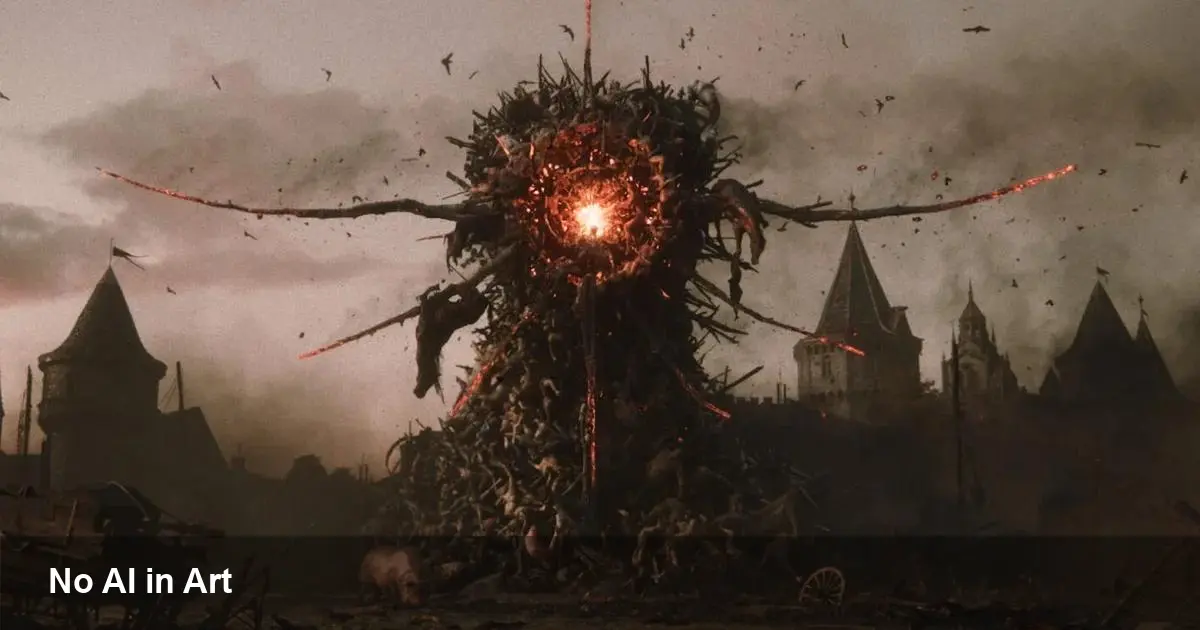
• Larian Studios will not use generative AI for any concept art in the upcoming Divinity game. • CEO Swen Vincke clarified the change in a Reddit AMA after earlier comments that caused confusion. • The studio will still experiment with generative AI internally to speed workflows, but any in-game assets would be trained on Larian-owned data.
What Larian announced
Belgian developer Larian Studios confirmed it will refrain from using generative AI during the concept art process for its new Divinity title. CEO and co‑founder Swen Vincke made the statement during a Reddit AMA, aiming to remove doubt about the origins of the game's visuals.
Direct quote from the CEO
"There is not going to be any generative AI art in Divinity," Vincke wrote, adding: "That way, there can be no discussion about the origin of the art."
Why the reversal
The clarification follows earlier remarks to Bloomberg in which Vincke said Larian had "tried to incorporate AI" while developing Divinity. Those comments prompted backlash and confusion, particularly around whether AI was replacing human concept artists.
Protecting creative attribution
Vincke said removing generative AI from concept art was intended to ensure players and creators know the art is original and that there is "no room for doubt." The studio had previously characterized its AI usage as exploratory, not a replacement for artists.
Where Larian will still use AI
Despite the ban on AI-generated concept art, Larian will continue experimenting with generative AI across departments to speed iteration and reduce waste in development. Vincke said the studio hopes AI can "refine ideas faster, leading to a more focused development cycle, less waste, and ultimately, a higher-quality game."
Strict conditions for in-game assets
Vincke emphasized that if Larian ever uses generative AI to produce creative assets that ship in a game, it will employ models trained on the studio's own data. "We will not generate 'creative assets' that end up in a game without being 100% sure about the origins of the training data and the consent of those who created the data," he wrote.
Broader implications
Larian's position reflects a growing industry debate over transparency, consent and the provenance of AI training data. The studio, known for Baldur's Gate 3 (which has sold over 20 million copies), announced a new Divinity entry at The Game Awards 2025 and appears to be balancing innovation with caution.
For players and artists, Larian's approach means concept art for Divinity will be human-made, while AI tools may still influence back‑end workflows under controlled, auditable conditions.