Google's Gemini Pushes Toward AI Central Planner Role

- Google’s Gemini will be allowed to read Gmail and combine data from Search, YouTube, Photos and other Google services to build personalized assistants.
- Google struck a multi-year deal to base Apple’s next-generation foundation models on Gemini, extending Google’s influence into iOS and Siri.
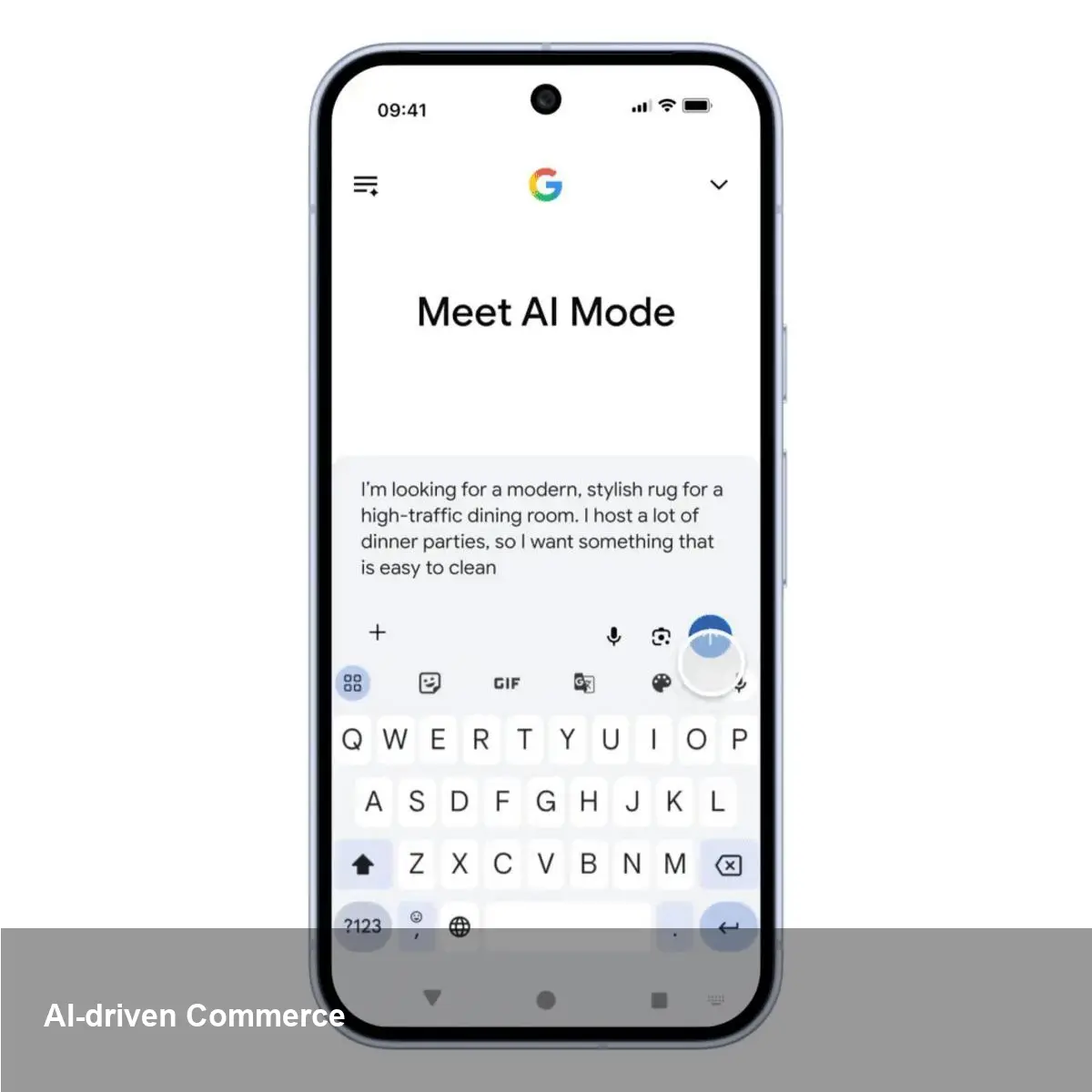
- Google unveiled the Universal Commerce Protocol (UCP) and a Gemini-powered ad service that supports personalized pricing and targeted merchant offers with partners like Walmart, Visa, Shopify and Kroger.
- The moves intensify data advantage and competition concerns: personalized “surveillance pricing” could reshape retail pricing and consumer choice.
What Google announced
Gemini gains deeper access to user data
Google says Gemini can access Gmail, Google Photos, Search history, YouTube activity and other signals to create an assistant that “knows you.” The company frames this as better, context-aware recommendations — for example, suggesting tires by identifying your car from photos or offering travel and shopping suggestions tailored to your behavior.
Apple partnership extends Google’s reach
Google confirmed a multi-year collaboration with Apple to base the next generation of Apple’s foundation models on Gemini and Google Cloud technology. That deal will route model improvements into iOS features and Siri, giving Google indirect access to another massive mobile ecosystem.
Universal Commerce Protocol and personalized pricing
At NRF 2026 Google introduced the Universal Commerce Protocol (UCP) and a Gemini-powered commerce layer that lets merchants create targeted offers for individual shoppers. Google VP Vidhya Srinivasan described it as a tool to “offer custom deals to specific shoppers who are ready to buy, without having to extend the same thing to everybody.” Partners listed include Walmart, Visa, Mastercard, Shopify, Kroger, Macy’s, Home Depot, and Stripe.
Why it matters
Data concentration accelerates advantage
Quality in generative AI scales with data. By tying personal signals across many consumer touchpoints and embedding Gemini into iOS, Google further concentrates training and personalization data that competitors find hard to match.
Competition and policy risks
The combination of platform reach and proprietary data raises antitrust and consumer-protection questions. Personalized pricing—sometimes called surveillance pricing—has already attracted regulatory attention and proposed legislation aimed at limiting discriminatory pricing based on personal data.
Bottom line
Google’s announcements represent a significant step toward highly personalized, agent-driven commerce and a deeper integration of AI into daily life. That promises convenience and new retailer tools but also heightens risks around market concentration, privacy, and fairness in pricing.