Google Delays Replacing Assistant With Gemini for Many

- Key Takeaways:
- Google is extending the timeline to replace Google Assistant with Gemini on many Android devices beyond 2025.
- The company says the adjustment aims to "make sure [it delivers] a seamless transition."
- Gemini is already the default on Pixel 9 phones, but device upgrades require Android 10 and at least 2GB of RAM.
- Google will share more rollout details in the coming months; upgrades may continue into or past early 2026.
Overview
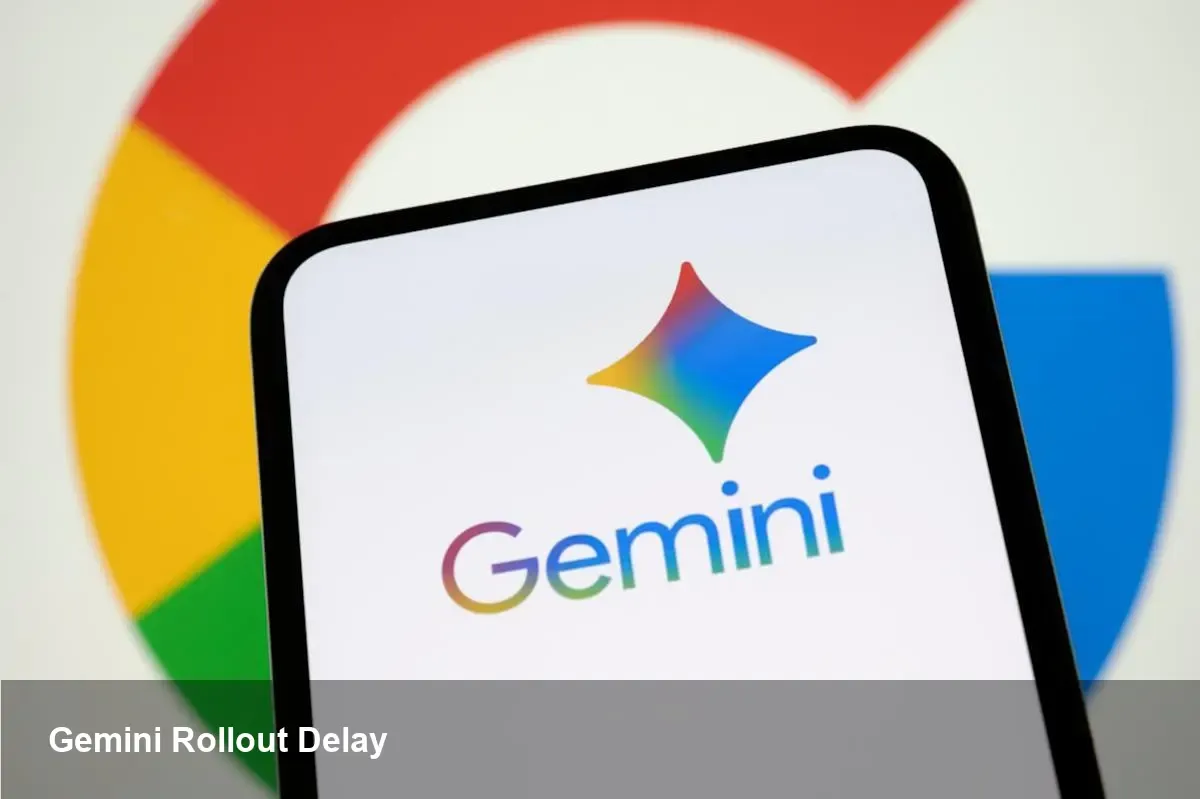
Google announced it will slow the migration that replaces Google Assistant with its Gemini AI on most Android devices. The company had initially planned to complete the transition by the end of 2025 but now says additional time is necessary.
Why the delay matters
Moving a platform-level assistant across millions of devices is complex. Google framed the change as an effort to ensure a smooth, reliable user experience, saying it is adjusting the timeline to "make sure [it delivers] a seamless transition."
The shift affects how phones, tablets, cars and accessories interact with users, since Gemini brings expanded conversational and device-control capabilities compared with the current Assistant.
Current status and product rollout
Gemini has already been deployed as the default assistant on Google’s Pixel 9 series, where it replaced Assistant during the device launch. Google has also been integrating Gemini across its product lines and preparing to upgrade devices that connect to phones, including headphones and smartwatches.
However, not all devices will get the upgrade. Google requires eligible hardware to meet minimum software and memory thresholds—specifically Android 10 or later and at least 2GB of RAM.
What users should expect
Most users won’t need to take action while Google rolls out the conversion updates. The company plans to push upgrades to qualifying devices automatically, but some older phones and peripherals will be ineligible due to the minimum requirements.
Google also said it will provide more information about the schedule and the upgrade process in the coming months, so users who want precise timing should watch for official updates.
Implications for app and device makers
Manufacturers and app developers should prepare for staggered transitions. The extended timeline gives partners more time to test integrations with Gemini’s APIs and ensure compatibility across different Android versions and hardware profiles.
For consumers, the delay means Assistant remains available longer on many devices, while Gemini adoption proceeds gradually to avoid breaking features or connectivity with smart devices.
In short, Gemini will replace Assistant on most devices, but the switch will be paced to minimize disruption—and it may continue into 2026 or beyond as Google finalizes the rollout.