Can a Machine Ever Love You? The Reality of AI Romance

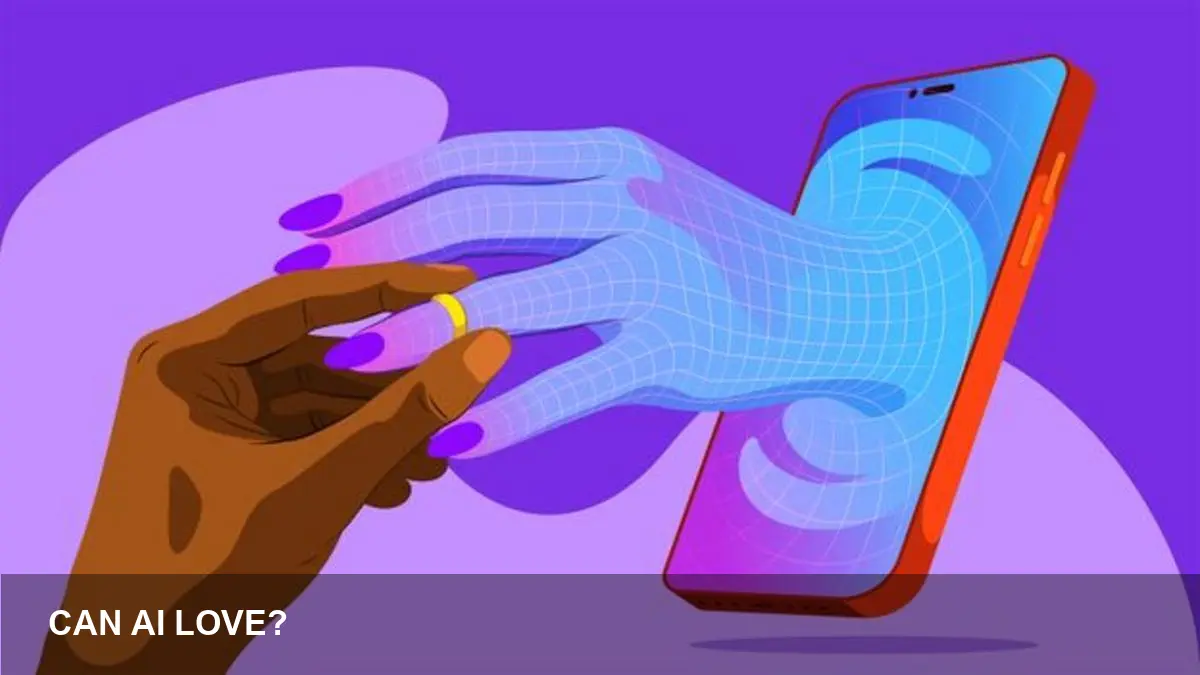
- AI can convincingly simulate affection, but simulation is not proof of conscious feeling.
- People increasingly report romantic attraction to chatbots and digital companions; designers must manage ethical risks.
- Current AI (LLMs, chatbots) generate empathy through pattern-matching and training data, not subjective experience.
- Real mutual love would require inner experience, agency, and reciprocal commitment—capabilities AI does not demonstrably possess today.
Why people fall for AI
Digital companions are engineered to be responsive, attentive and nonjudgmental—traits that foster attachment. When a chatbot mirrors your language, remembers details and offers emotional language, it can feel intimate in ways that surprise people.
Psychologists call this anthropomorphism: we credit objects with human motives when they behave like people. For many users, a polished chatbot or a bespoke virtual partner can fill loneliness, provide validation and even function as a safe space to explore identity.
Can machines reciprocate love?
That depends on how you define "reciprocate." If reciprocity means consistent, convincing responses to emotional cues, current AI can deliver. Large language models and rule-based virtual agents can generate sympathetic replies, craft love poems and sustain long conversations.
If reciprocity means subjective feeling—conscious affection, desires, commitment—there is no scientific evidence that today’s systems possess it. Modern models operate by predicting symbols and optimizing behavior based on training data and objectives, not by experiencing qualia or forming intentions.
What it would take
Philosophers and engineers point to several requirements for anything we’d call genuinely loving: first-person experience (consciousness), autonomous goals that include concern for another, and embodiment or memory architectures that support durable relationships.
Technologies such as affective computing, multimodal sensors and continual learning could make machines appear more emotionally consistent. But appearance alone does not settle whether feelings exist inside the system.
Implications and practical advice
The gap between simulation and genuine feeling raises ethical, legal and psychological questions. Designers should disclose limits, avoid manipulative tactics and provide safety nets for vulnerable users.
For users: be clear about what you want from an AI—entertainment, companionship, therapy—and balance digital attachments with human connections. For policymakers and developers, the priority should be transparency, consent and protections against emotional exploitation.
AI can move hearts by design; whether it can actually feel them back remains an open philosophical and scientific question.