Apple’s AI Shake-Up: Two New Siri Versions, Google Tie

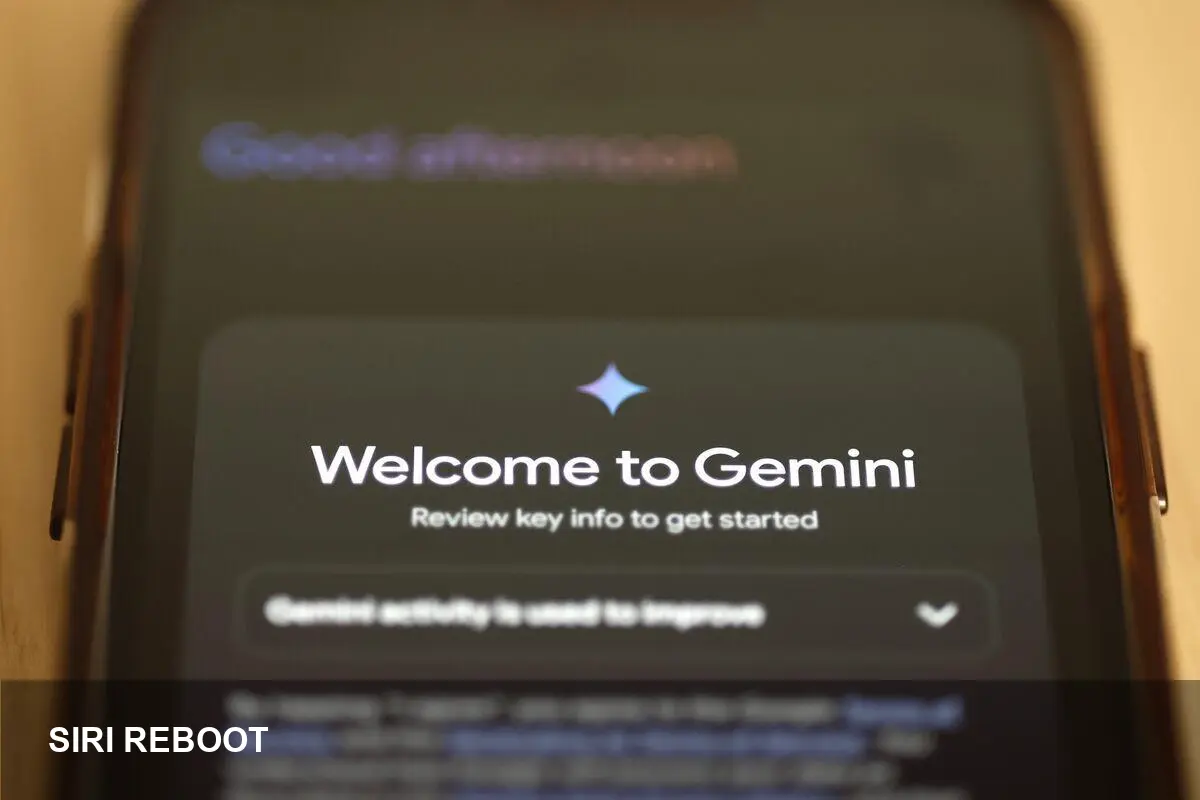
- Apple is reorganizing its AI efforts and has formed a partnership with Google to accelerate generative and assistant capabilities.
- The company is preparing two new versions of Siri while shifting management and elevating John Ternus to lead design-related work.
- Apple’s moves tie into preparations for its 2026 Mac launches and signal a new phase in how it balances privacy, on-device AI, and cloud services.
What changed inside Apple
Apple has reshuffled its AI organization, consolidating teams and shifting responsibilities to speed development of assistant and generative features. The change is described as a strategic move to close feature gaps and push new experiences to customers faster.
Partnership with Google
As part of the shake-up, Apple has established a partnership with Google to leverage specific AI capabilities and cloud services. The collaboration signals Apple’s willingness to combine its hardware and privacy stance with third-party AI infrastructure where it makes sense.
Two new versions of Siri
Apple is developing two distinct Siri iterations. One appears aimed at on-device, privacy-focused assistant tasks; the other targets more capable, cloud-backed generative features. The dual-path approach lets Apple offer lightweight local interactions and a more powerful assistant when cloud processing is required.
Leadership and design: John Ternus’ new role
John Ternus, long considered a potential CEO candidate, has been placed in charge of design leadership related to these initiatives. Elevating Ternus suggests Apple wants product and industrial design tightly integrated with AI and software strategy ahead of upcoming launches.
Why this matters for Macs and customers
The reorganization comes as Apple prepares for a slate of Mac launches in 2026. Expect tighter integration of AI assistant features across macOS and new hardware optimized for both on-device inference and cloud-assisted tasks.
For users, the split-Siri strategy could mean faster, private responses for everyday tasks and richer generative interactions for complex queries, depending on whether features run locally or via cloud services.
Risks and industry context
Working with Google and reassigning leadership are pragmatic steps but raise questions about differentiation and privacy trade-offs. Apple will need to balance its long-standing privacy commitments with the technical advantages of cloud AI to retain user trust.
Competitors from Google, Microsoft and startups are racing on assistant and generative features; Apple’s changes aim to close that gap while preserving the company’s emphasis on hardware-software integration.